Cleaning standards drift after the first weeks of a contract, usually because nobody measures them for the level of cleanliness. A written specification, monthly scored inspections and surface-aware methods keep results steady. Measurement tools such as swab testing replace impressions with numbers and give both sides a shared performance record.
Key Takeaways
- Standards slip through lack of checking, not bad intent
- The specification document decides what keeps getting done
- Monthly scored walk-throughs replace vague complaints with evidence
- Touch points need surface-specific methods, not a general wipe
- Directly employed teams hold site knowledge longer than rotating agency staff
A new cleaning contract almost always starts well. The first few visits are thorough, the team is attentive, and the office looks the way the sales meeting promised. Three months in, the bins still get emptied, yet the skirting boards, partition tops, and corners behind doors tell a different story. The decline is rarely deliberate. It happens because nobody is checking.
This is where businesses that get long value from commercial cleaning companies differ from those that switch suppliers every year. They treat the cleaning specification as a working document rather than a sales attachment. The specification lists each area, each task and how often it is done. If a task isn’t on the list, it will eventually stop happening, no matter how good the first month looks.
A simple inspection routine keeps the list honest. Here is why. A monthly walk-through with the supplier, scoring about ten agreed points on a pass-or-fail basis, takes twenty minutes and removes vague conversations about whether the place “seems less clean lately”. Both sides see the same score sheet. Disputes get smaller because the evidence is written down on the day, not remembered later.
What a Proper Cleaning Audit Actually Checks
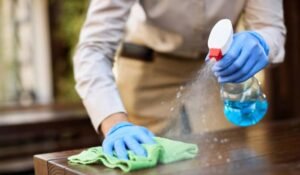
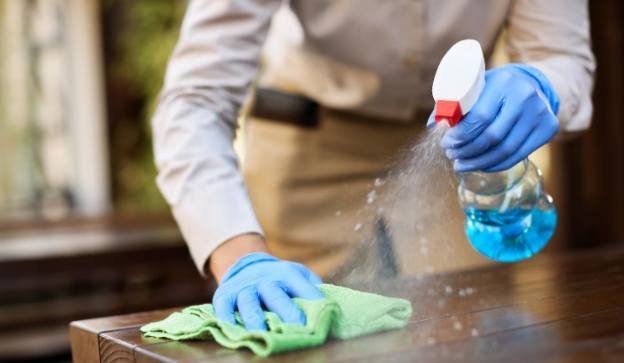
Visual checks only go so far, because a surface can look clean and still carry residue. On frequently touched points such as door handles, lift buttons, and kitchen taps, bacteria settle into a thin layer called biofilm, which an ordinary wipe spreads around instead of removing. A supplier that understands this will tailor its methods to the surface and will not treat a desk and a tap the same way.
Some suppliers now back their inspections with ATP testing, a swab-based measurement borrowed from food production that gives a hygiene reading in numbers rather than impressions. Perhaps not every office needs that level of proof. A medical room, a gym or a staff kitchen probably does. The point is less about the device and more about the habit of measuring instead of assuming.
Keeping the Standard Without Micromanaging
Nobody wants to spend their week policing a cleaning team. The practical middle ground is a fixed review date, a shared score sheet and a named contact on each side. Suppliers that employ their cleaners directly tend to hold standards longer, since the same people return to the same site and learn where the problem spots are. Agency rotation resets that knowledge every few weeks.
Next steps. Pull out the current specification, walk the premises against it, and mark what has quietly dropped off. That exercise usually explains the gap between what you’re paying for and what you’re getting, and it gives the next supplier conversation something firmer to stand on than a feeling.