
Office cleaning timing affects cost, quality and security, yet most buildings default to evening work without weighing the available alternative. Daytime cleaning saves energy and handles problems as they occur, while after-hours work suits open-plan floors. The right choice depends on the building, its visitors and its working pattern.
Key Takeaways
- Evening cleaning is a habit, not always the better option
- Day cleaning cuts lighting and heating hours and handles spills sooner
- Visible cleaning tends to make staff keep shared areas tidier
- Daytime work needs quieter machines and strict equipment separation
- A supplier should walk the building before recommending a schedule
Walk through most Dublin office buildings at seven in the evening and the lights are on for one reason. The cleaners have arrived. Evening work has been the default choice for decades, and plenty of managers have never questioned it. The assumption is that cleaning belongs out of sight. That assumption deserves a second look, because the timing of a clean changes its cost, quality, and even how staff treat the office.
Comparing Day Cleaning and After-Hours Office Cleaning Schedules
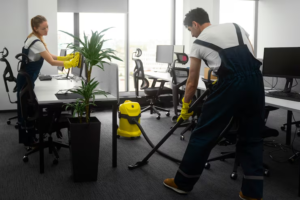
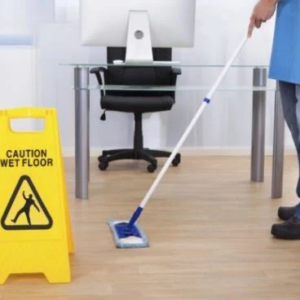
An office cleaning company in Dublin will usually offer both arrangements, and neither wins outright. After-hours cleaning leaves desks untouched during the working day and suits open-plan floors where hoovering around people is awkward. Day cleaning, where a cleaner works through the building in daylight, cuts lighting and heating hours and means spills and washroom problems get handled when they happen rather than the next evening.
How Visible Cleaning Changes Office Behaviour
There is a quieter argument for daytime work that rarely makes it into a quote. When staff see cleaning happen, they tend to keep their own areas tidier. A kitchen wiped at two in the afternoon stays presentable throughout the day. Some managers dislike the visibility, and that is a fair position too. It depends on the building and perhaps on the culture of the people in it.
Cleaning Equipment and Air Quality During Working Hours
Timing also shapes what equipment makes sense. Evening crews can run full-size machines without disturbing anyone, while daytime work calls for quieter kits. Vacuum choice matters more than most people think, since a machine with proper HEPA filtration holds fine dust inside the unit instead of pushing it back into the air that staff are still breathing at their desks. For buildings where people work while cleaning happens, that detail stops being technical and becomes practical.
Office Security and Hygiene Standards for Each Schedule
Security is the other dividing line. After-hours access means alarm codes, key handovers and trust in people working in an empty building, which is why vetting and insurance carry so much weight in the decision. Daytime cleaning removes that concern but introduces another: a cleaner moving between washrooms and kitchens in a busy building must follow strict colour-coded equipment rules to prevent cross-contamination between areas. A supplier should be able to explain its system for both situations without hesitation.
Choosing the Right Office Cleaning Schedule for Your Building
Let’s break it down to the deciding questions. Buildings with shift workers or public visitors usually need daytime presence. Standard nine-to-five offices with one tenant often do better with evening service. Many end up with a mix, a light daytime touch for washrooms and kitchens plus a fuller evening clean twice a week. The right supplier will walk the building before recommending either, because a floor plan tells them more than a phone call ever will.