End of Tenancy Cleaning vs Deep Cleaning in Dublin: What's the Difference and Which One Do You Actually Need?

blog-clean4u-end of tenancy cleaning

You’re moving out of a Dublin rental and the clock is ticking. The landlord inspection is booked, your deposit is on the line, and a quick Google search leaves you more confused than before. End of tenancy cleaning or deep cleaning, which one do you actually need? They sound similar, but booking the wrong one could cost you money or leave you over-paying for a service you never needed.

This guide breaks down both services clearly, so you can make a confident, informed decision.

What Is the End of Tenancy Cleaning and What Does It Actually Cover?

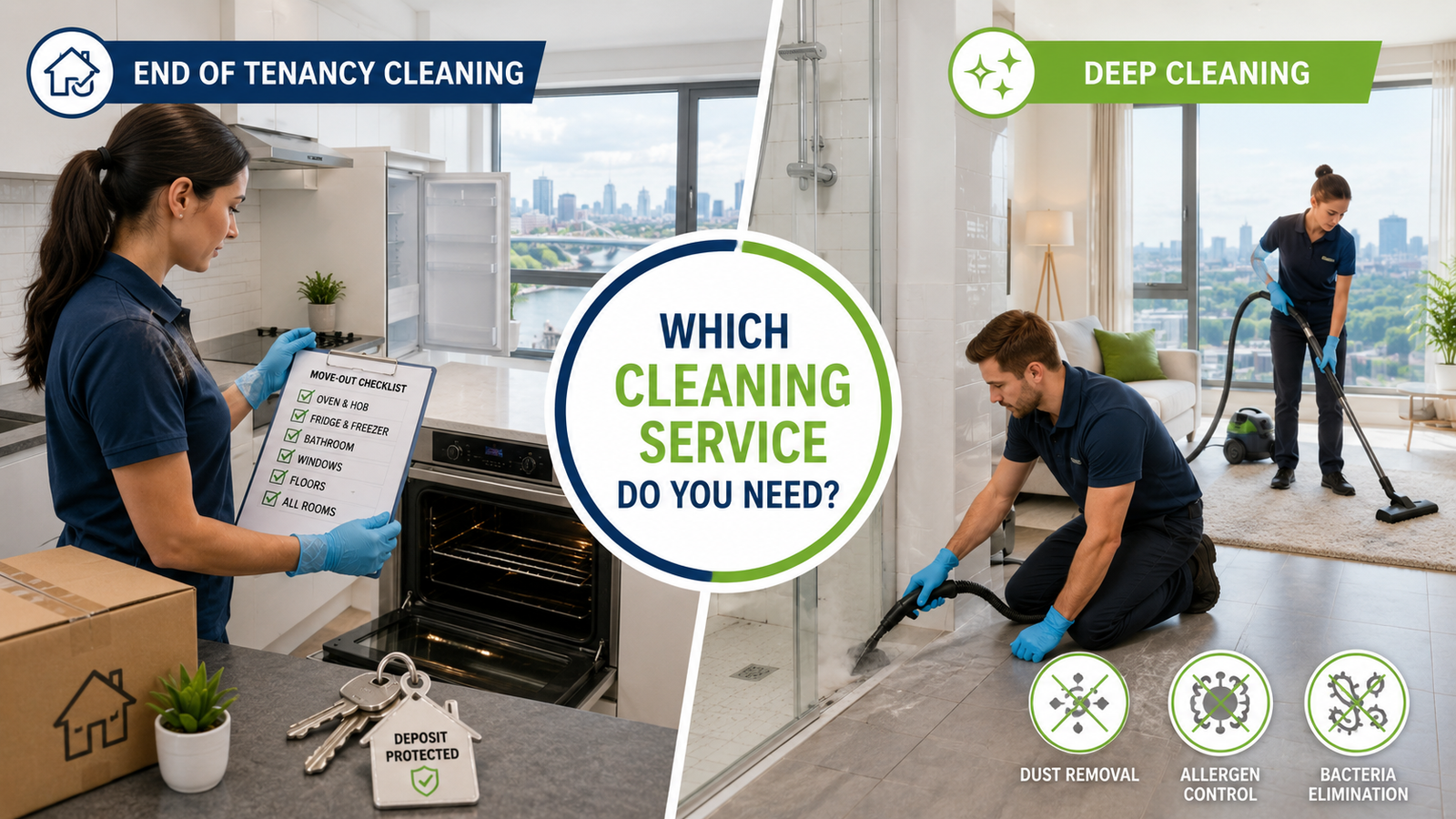
End of tenancy cleaning is a legally-oriented, move-out specific service designed to return a rental property to the condition documented in the original inventory report. In Dublin’s competitive rental market, landlords and letting agents compare the property against that report before releasing your deposit.

A professional end of tenancy clean typically covers:
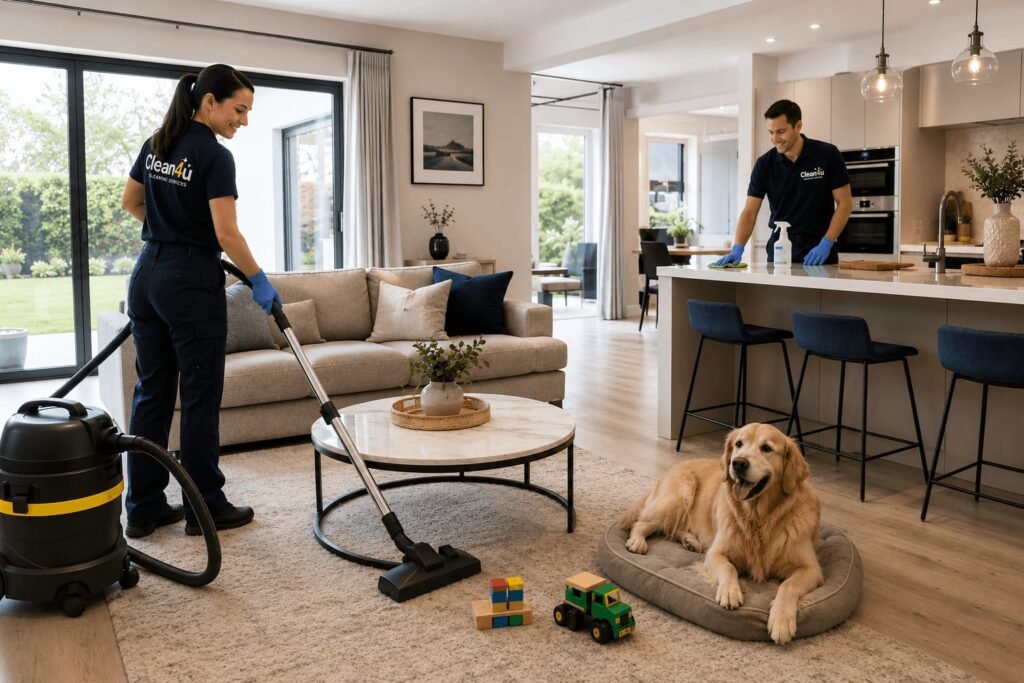
  • Inside oven, hob, and extractor fan degreasing
  • Inside fridge and freezer cleaning
  • Bathroom limescale removal and grout cleaning
  • Skirting boards, door frames, and light switches
  • Windows (internal) and window sills
  • Carpet extraction cleaning or vacuuming
  • All rooms swept, mopped, and sanitised
residential-cleaning

Under the Residential Tenancies Act 2004, tenants in Ireland are responsible for returning the property in the same condition as when they moved in (allowing for normal wear and tear). Failing a landlord inspection over cleanliness can result in deposit deductions or an RTB dispute.

What Is Deep Cleaning and When Does It Make Sense?

Deep cleaning is a thorough, intensive clean aimed at removing built-up grime, allergens, bacteria, and hidden dirt from a property. Unlike regular cleaning, it targets behind appliances, inside cupboards, grout lines, air vents, and other areas that routine cleaning misses.

Deep cleaning is ideal for:

Properties that haven't been cleaned in several months
Post-renovation or after-builders cleaning in Dublin
Seasonal deep cleaning to maintain a healthy home
Moving into a new home before settling in
One-time deep clean after illness or renovation

The Key Distinction

A deep clean improves your living environment. An end of tenancy clean protects your rental deposit.

End of Tenancy Cleaning vs Deep Cleaning: Side-by-Side Comparison

Feature End of Tenancy Cleaning Deep Cleaning
Main Purpose Meet rental/deposit requirements Remove deep-set grime and allergens
Who Needs It Tenants moving out Homeowners, new move-ins, anyone
Scope Inventory-based, property handover Full property, health-focused
Typical Duration 3 to 5 hours 5 to 8 hours
Checklist Driven Yes (landlord/RTB standard) Flexible, tailored to property
Frequency Once, at end of lease Every 3 to 6 months
Deposit Impact Directly protects deposit No direct deposit connection

Which Cleaning Service Do You Actually Need in Dublin?

Choose End of Tenancy Cleaning If:

  • You are moving out of a rented apartment or house in Dublin
  • Your landlord or letting agent requires the property cleaned to move-in standard
  • You want to avoid deposit deductions over cleanliness
  • Your tenancy agreement includes a cleaning clause

Choose Deep Cleaning If:

  • You own your home and want a thorough refresh
  • You are moving into a new property and want it cleaned before unpacking
  • The property has not been properly cleaned in a long time
  • You want to improve indoor air quality or address allergen build-up

For tenants in Dublin, the choice is almost always clear: end of tenancy cleaning. Teams like Clean 4U specialise in exactly this, providing a checklist-driven service that aligns with Irish landlord inspection standards and RTB requirements.

Dublin Move-Out Cleaning Checklist: What Needs to Be Done

Kitchen

  • Oven interior, racks, and door glass degreased
  • Hob, extractor hood, and filters cleaned
  • Inside fridge, freezer, and all cupboards wiped
  • Sink, taps, and splashback descaled

Bathrooms

  • Toilet, basin, and bath or shower scrubbed
  • Tiles, grout, and shower screen limescale removed
  • Mirror and chrome fixtures polished

All Rooms

  • Skirting boards, door frames, and light switches wiped
  • Windows cleaned internally and sills dusted
  • Carpets vacuumed or extraction cleaned
  • Hard floors swept and mopped
  • Cobwebs and dust removed from ceilings and corners

Frequently Asked Questions

Is deep cleaning the same as end of tenancy cleaning in Dublin? +
No. End of tenancy cleaning is specifically scoped to meet landlord and RTB inspection standards for deposit return. Deep cleaning focuses on health and hygiene rather than tenancy obligations.
Can a deep clean replace an end of tenancy clean? +
Not reliably. End of tenancy cleaning follows a structured checklist tied to your inventory report and Irish rental standards. A general deep clean may miss legally relevant areas that landlords inspect.
Can I lose my deposit over cleaning in Ireland? +
Yes. Under the Residential Tenancies Act 2004, landlords can deduct from your deposit for cleaning costs if the property is not returned to its original condition. The RTB can arbitrate disputes.
How long does an end of tenancy clean take in Dublin? +
Typically three to five hours for a standard apartment. Larger properties or heavily soiled homes may take five to eight hours depending on size and condition.
What do landlords inspect after a tenancy ends in Dublin? +
Landlords and letting agents compare the property against the condition report. Key inspection areas include the oven, bathroom grout, carpets, windows, and all appliances inside and out.
What cleaning standard is required at the end of tenancy in Ireland? +
The property must be returned in the same condition as documented in the initial inventory report, accounting for fair wear and tear. Professional cleaning to a move-in standard is widely expected.