Dublin’s retail corridors have rapidly evolved into high-density digital ecosystems. From the tech-driven flagship stores in the Silicon Docks to the premium luxury boutiques of Grafton Street, the fast-paced environments of Dundrum Town Centre, and the busy commercial plazas of Tallaght, the modern consumer journey is entirely mediated by high-performance glass.
In this landscape, the cleanliness, responsiveness, and optical clarity of digital interfaces have become a primary driver of customer trust. When a shopper steps up to a smeared self-checkout screen or a greasy payment terminal, they experience immediate hygiene friction. This invisible operational bottleneck often leads directly to checkout abandonment, lower transaction values, and a quantifiable drop in long-term customer retention.
For premium Dublin retailers, maintaining an unblemished screen surface is no longer just a daily chore it is a critical strategy to protect your brand’s market value. This is where specialist retail cleaning Dublin services that understand digital hardware protocols become an essential operational partner.
Standard janitorial wipe-downs present an immense strategic risk to high-value tech assets across Dublin retail. Using generic chemicals can easily degrade sensitive optical coatings or induce physical liquid ingress — creating a massive financial liability, as premature hardware damage caused by improper maintenance frequently voids manufacturer warranties and triggers unbudgeted capital expenditure.
Here is the exact risk profile for each type of digital retail asset:
High risk from oleic acids, skin oils, makeup, and adhesive residues. Ammonia-based cleaners cause surface clouding and permanent touch-sensitivity loss by blocking capacitive glass sensors.
Airborne dust and atmospheric pollutants clog ventilation gaps, leading to internal thermal throttling. Household abrasives cause micro-scratches that permanently refract light and trap bacteria.
Human pathogens, ink transfers, and grease build-up target vulnerable card-slot entries and flexible keypad membranes. Direct fluid spraying causes immediate internal short-circuits and rapid sensor corrosion.
Smudges and cross-contamination from standard cleaning chemicals strip expensive anti-glare, anti-reflective, and oleophobic coatings permanently.
The same environmental pressures that accelerate surface degradation in Dublin’s coastal and high-footfall zones also affect your digital infrastructure. The Health and Safety Authority Ireland outlines clear workplace hygiene compliance obligations for all commercial premises, including the safe handling of chemical cleaning agents near electronic equipment.
Transitioning from a basic cleaning routine to a specialised risk mitigation framework ensures that your floor staff remain accountable for both hygiene standards and hardware longevity. Here is the exact step-by-step technical workflow used by specialist cleaning professionals:
Always deactivate the hardware unit before starting. This eliminates the risk of phantom touches or software input errors while making surface streaks and oil patterns easily visible under store lighting.
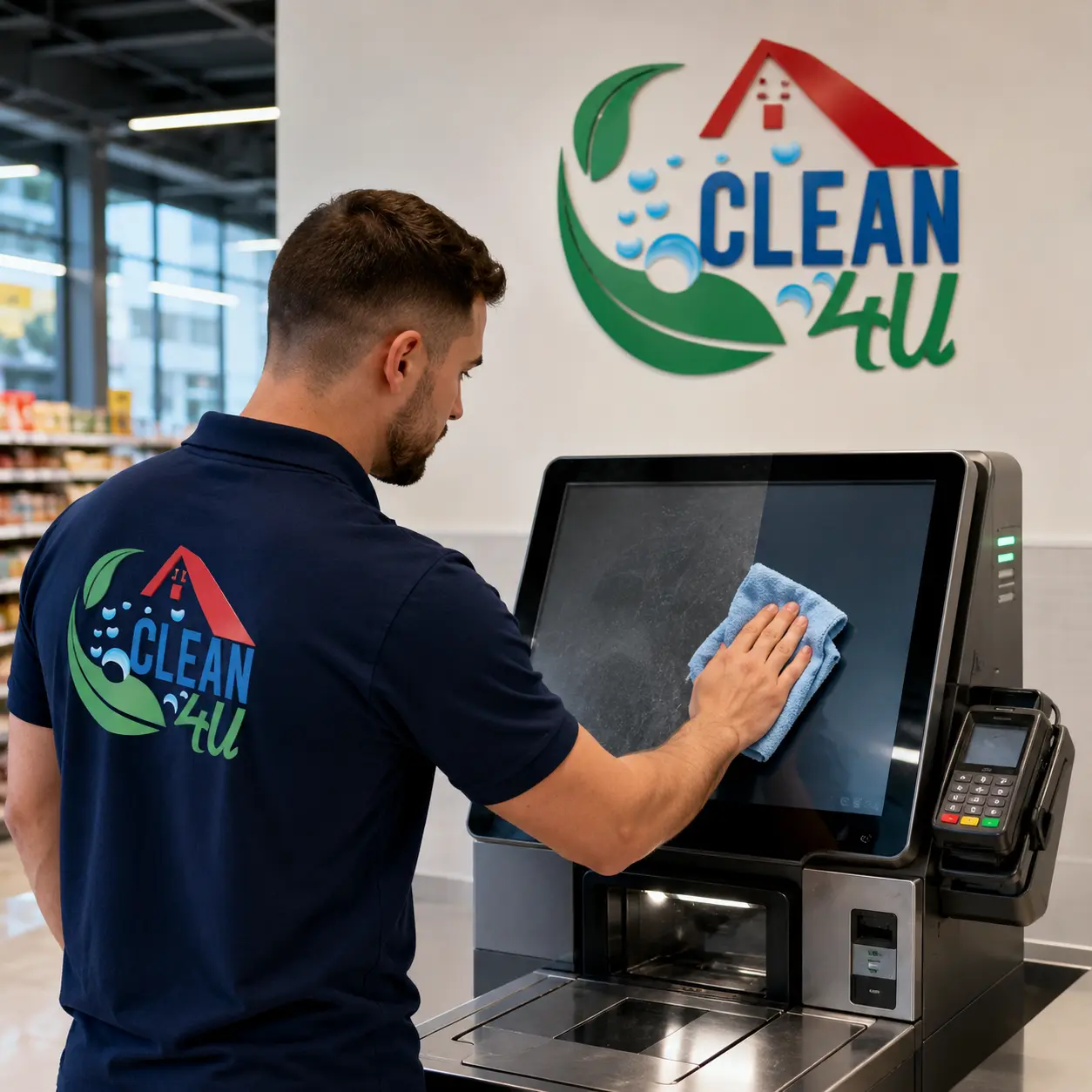
Gently wipe the display surface using a dedicated, high-density microfiber cloth. This lifts loose grit and environmental dust, preventing the microscopic surface abrasions that occur when wet-wiping directly over abrasive particles.
Spray a specialised 70% Isopropyl Alcohol technical solution directly onto your microfiber cloth. Never apply liquid directly onto the device surface. This technique prevents liquid ingress into seams and digitiser layers.
Carefully trace the outer bezel and external housing. Ensure that no residual moisture pools near the seams of capacitive glass panes, where liquid could migrate into the underlying digitiser.
Use a completely dry, clean section of your microfiber towel to buff the glass surface in light, circular motions. This restores absolute optical clarity for the next customer interaction.
Never spray any liquid directly onto screens, card slots, or structural enclosures. Moisture ingress is the single leading cause of dead pixels and short-circuited logic boards.
Never use paper-based products such as industrial paper towels, tissues, or napkins. These materials contain microscopic wood fibres that permanently scratch delicate anti-glare coatings.
Never allow bleach, vinegar, or harsh acids into your tech cleaning kits. These compounds chemically break down the modern protective polymers used on public-facing touchscreens.
Never apply heavy physical pressure to the display surface. Modern capacitive screens respond exclusively to surface electrical contact; excessive pressure can fracture thin internal display layers.
Adhering to localised environmental benchmarks is the hallmark of a truly professional retail operation. High-tier facilities operations in Ireland maintain documented hygiene compliance protocols to mitigate workplace health risks, allergen build-ups, and active pathogen transmission.
Strategic maintenance programs for Irish retail hubs must align closely with the British Institute of Cleaning Science (BICS) and the Irish Cleaning Contractors Association (ICCA).
Operations should follow environmental best practices aligned with EPA Ireland guidelines to preserve indoor air quality and workspace safety.
For comprehensive store deep-cleans or post-fit-out handovers, utilising toxic-free, 100% eco-friendly products has become the modern baseline standard, ensuring intensive disinfection does not release hazardous chemical residues into confined retail spaces.
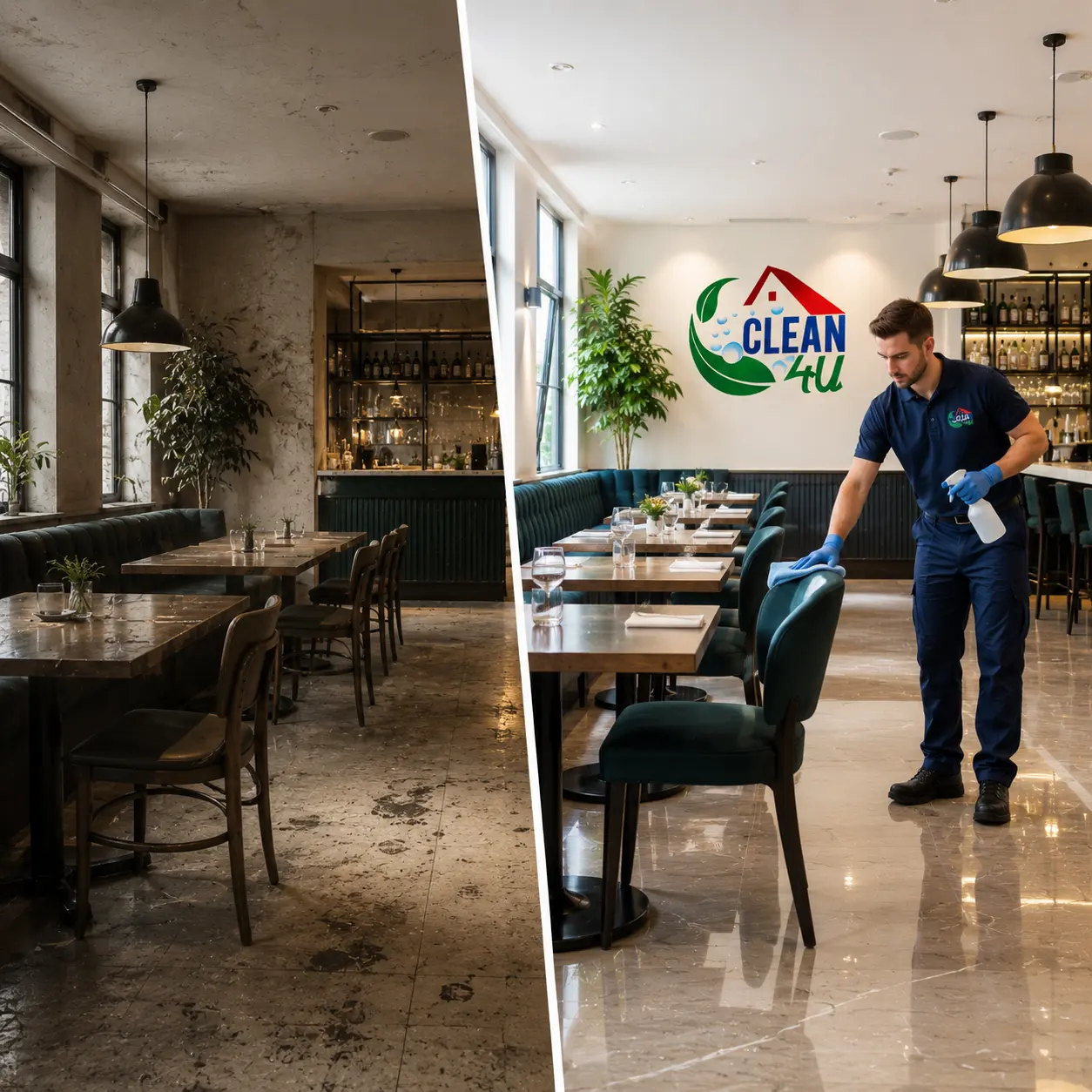
Documented compliance directly optimises a store’s bottom line by lowering staff absenteeism and fostering a reassuring, safety-first environment for shoppers. For Dublin retail venues that also require full interior deep cleaning beyond digital surfaces, a professional commercial cleaning service ensures every zone from shopfloor to back-of-house meets inspection-ready hygiene standards.
Many Dublin retail managers underestimate the compounding financial impact of improper digital surface maintenance. The consequences go far beyond a streaky screen:
Standard janitorial wiping routines regularly cause moisture damage that instantly voids manufacturer hardware warranties, leaving your business exposed to full replacement costs.
A smeared or unresponsive self-checkout screen creates immediate hygiene friction. Customers who abandon the checkout process rarely return to complete the transaction.
POS terminals and payment keypads are among the highest-contact surfaces in any retail environment. Without specialist sanitisation protocols, they become active vectors for pathogen transmission between customers and staff.
Micro-scratches from improper cleaning materials accumulate over time, permanently degrading optical quality and forcing early capital expenditure on hardware replacement.
For retail venues that have recently undergone a shopfit or refurbishment, ensuring all new digital installations are professionally cleaned before opening is critical. Our after builder cleaning service includes specialist post-fit-out handover cleaning that covers both structural surfaces and new digital retail hardware installations.