Getting the keys to a new home in Dublin is one of the most exciting moments in a person's life. It is also, if you are being honest, the moment when a very long to-do list suddenly becomes very real. Utility connections, address changes, furniture deliveries, and sitting underneath all of it, the question that most new homeowners either forget or leave too late: when exactly are you going to clean this place before everything is in it?
The answer, if you want to start your new home properly, is before a single box is unpacked. A thorough deep cleaning Dublin before your furniture arrives gives you access to every corner, every shelf, every floor edge, and every surface without anything in the way. Once the sofa is in the living room and the kitchen cupboards are full, those opportunities close, and the grime that was there before you arrived quietly becomes part of your home.
This checklist covers every room in a Dublin home, from the kitchen to the attic hatch, in the order that makes the most practical sense. Work through it before moving day and you will walk into a home that is genuinely clean, not just visually tidy.
Before You Start: What to Do First
Before touching a single surface, two things need to happen. First, ventilate the property. Open every window and every internal door. Dublin homes that have been vacant, even briefly between tenants or sale completion, accumulate stale air, and cleaning in a well-ventilated space is faster and more effective.
Second, do a full walk-through before you begin. Go room by room and note anything that needs special attention: stains on carpets, grease behind the cooker hood, limescale on bathroom tiles, mould in corner grouting. Spotting these areas before you start means you can allocate the right products and enough time to each one, rather than discovering a problem halfway through a room.
Gather your supplies before starting and keep them in a central location. You will need:
- Multi-surface disinfectant spray
- Bathroom and limescale cleaner
- Oven degreaser or baking soda and white vinegar solution
- Glass cleaner
- Microfibre cloths, minimum six, colour-coded if possible
- Mop and bucket with a clean mop head
- Vacuum cleaner with clean filter
- Rubber gloves
- Old toothbrush for grout and tight corners
Pro Tip
Always clean from top to bottom and back to front in every room. Dust and debris fall downward, so cleaning ceilings and high shelves first means you will not re-dirty surfaces you have already cleaned. Work toward the exit door so you are not walking back over a clean floor.
Kitchen: The Room That Needs the Most Time
The kitchen is the highest-priority room in any move-in clean. Previous occupants leave behind grease, food residue, and limescale in ways that are not always visible at a surface glance. Even a property that appears to have been cleaned before handover should be treated as if it has not. Under Irish tenancy law, the Residential Tenancies Board Ireland requires landlords to provide properties in a proper state of cleanliness, but the standard applied to a residential sale is different, and the kitchen is consistently the area where the most residual contamination is found in Dublin properties.
Appliances First
- Clean inside the oven thoroughly, use a dedicated oven degreaser and allow the recommended dwell time before scrubbing. The interior oven walls, the oven floor, the grill tray, and the door glass all need individual attention.
- Clean the hob, remove gas burner caps where applicable and soak in warm soapy water. Degrease the hob surface and clean the spaces around the burner rings.
- Wipe down the extractor hood externally and clean the grease filter; remove and wash the filter in hot soapy water if it is washable, or replace it.
- Clean inside the microwave; use a bowl of water with lemon juice heated for two minutes to loosen residue, then wipe clean.
- Clean inside the fridge and freezer; wipe all shelves, drawers, and door seal. Check the door seal for mould and clean with a diluted bicarbonate of soda solution.
- Clean the dishwasher interior; run an empty hot cycle with a dishwasher cleaner tablet.
Cupboards and Drawers
- Empty all cupboards and drawers completely; wipe interior surfaces and shelf liners with a disinfectant solution.
- Clean inside cupboard doors and external cabinet faces.
- Clean the hinges and handles.
- Reline shelves with fresh shelf liner before placing your belongings inside.
Sink and Surfaces
- Descale the kitchen sink; Dublin's water is moderately hard, and limescale builds around taps and in the basin. Use a dedicated descaler and leave it to work for the manufacturer's recommended time.
- Clean and disinfect all worktop surfaces, including the edges and the underside lip where grease accumulates.
- Wipe down the splashback tiles and regrout any visibly stained grout lines using a grout pen if needed.
- Clean the kitchen floor last; sweep thoroughly, then mop with a disinfectant floor cleaner. Pay particular attention to floor edges and the area behind the door.
Pro Tip
The area between the cooker and the kitchen unit beside it is consistently the most neglected spot in any kitchen. Even in a recently cleaned property, this gap collects grease, food debris, and sometimes mould. Use a long, narrow brush or a cloth wrapped around a ruler to reach it before the cooker is in its permanent position.
Bathrooms: Sanitise, Do Not Just Clean
There is an important distinction between a bathroom that looks clean and a bathroom that has been properly sanitised. For a move-in clean, the standard is sanitisation, which means disinfectant contact time, not just a quick wipe. You are removing contamination left by strangers, not maintaining a bathroom you already use.
One additional consideration specific to Dublin and Irish properties more broadly: the Environmental Protection Agency Ireland recommends that new homeowners in Ireland test for radon, a naturally occurring radioactive gas that can accumulate in homes in certain geological areas. This is not a cleaning task, but it is worth commissioning a radon test during the move-in period, particularly in ground-floor rooms and basements.
Toilet
- Apply toilet bowl cleaner inside the bowl and under the rim; leave to dwell for a minimum of five minutes before scrubbing.
- Disinfect the toilet seat on both surfaces, the lid, the cistern top, the handle, and the base of the toilet where it meets the floor.
- Clean the toilet brush holder and replace the toilet brush if the previous occupant has left one.
- Wipe the wall area directly behind and beside the toilet; this area collects invisible spray and is rarely cleaned properly.
Shower and Bath
- Remove all limescale from shower screens, bath taps, and shower fittings using a limescale remover; Dublin's water leaves visible deposits on all wet surfaces.
- Clean shower tray or bath interior with a bathroom cleaner, paying attention to the drain cover and the water mark ring around the bath.
- Scrub all grout lines in shower tiles; use an old toothbrush with a bicarbonate of soda paste for any mould staining.
- Clean the shower door tracks; these are frequently missed and accumulate soap scum and mould.
Basin and Surfaces
- Descale the basin taps and clean the basin interior and overflow hole.
- Clean the mirror with glass cleaner; wipe the mirror frame and the wall area around it.
- Wipe all bathroom shelves, cabinet interiors, and the back of the bathroom door.
- Mop the bathroom floor with a disinfectant solution, including behind the toilet and under the basin pedestal.
Bedrooms: Focus on What You Cannot See
Bedrooms in a previously occupied Dublin property collect dust, allergens, and sometimes pest evidence in places that a standard clean does not reach. For a new homeowner, the bedroom clean is about starting with a genuinely fresh environment, not just a visually tidy one.
Wardrobe and Storage
- Empty all built-in wardrobes and wipe every interior surface: shelves, the floor, the back panel, and the internal door faces.
- Check for signs of damp or mould in the corners of wardrobes, particularly in Dublin houses where cavity wall insulation may affect wall moisture levels.
- Wipe down wardrobe door handles and mirror surfaces.
Windows and Sills
- Clean all bedroom windows inside: glass, frame, and sill.
- Wipe down the window reveal (the recess between the window and the inner wall); this area collects dust and condensation residue.
- Clean any window blind slats with a damp cloth or replace fabric blinds entirely if they are in poor condition.
Floors
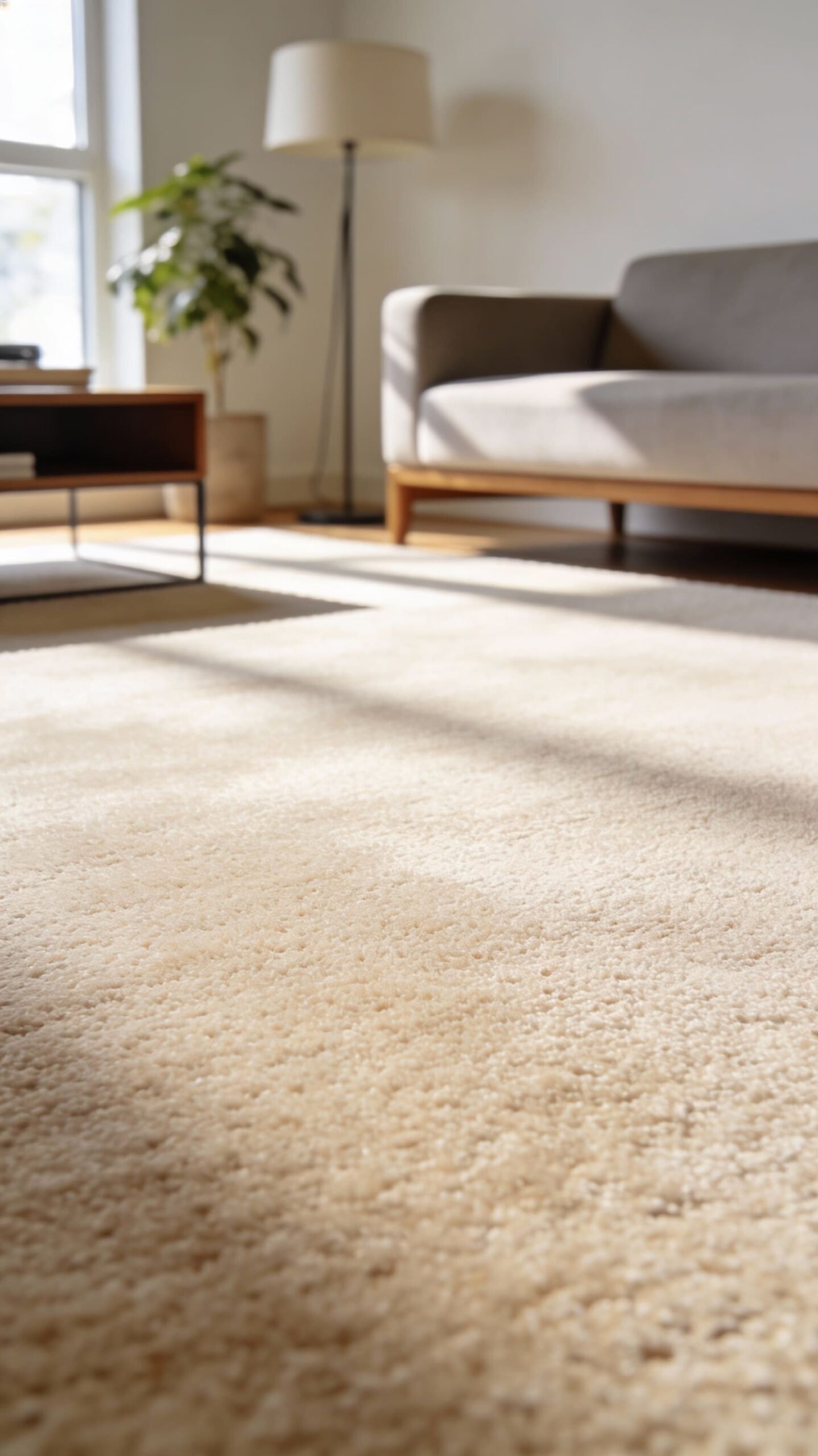
Bedroom floors need specific attention based on their material. For hard floors, sweep and damp mop paying attention to the skirting board line. For carpets, vacuum thoroughly on the highest suction setting, working the vacuum in two directions across the pile. If the carpet has visible staining or an odour, professional carpet cleaning Dublin before you move in is worth the investment; it is considerably harder and more expensive to arrange once furniture is in place.
- Wipe all skirting boards with a damp cloth.
- Clean the area under any fitted furniture such as wardrobes or bed bases if accessible.
- Disinfect all door handles and light switches.
Living Room and Hallway: First Impressions and High Traffic
The living room and hallway are the areas you and your guests will spend the most time in. They are also the areas that previous occupants used most heavily. Concentrate on surfaces that carry fingerprints and foot traffic, and pay particular attention to fireplaces and radiators if present.
- Clean all window glass inside: frames, and sills.
- Wipe down radiator surfaces, both the front face and the fins between panels where dust collects heavily.
- Clean the interior and surround of any fireplace: remove ash and debris, clean the hearth tiles, and wipe down the mantelpiece.
- Wipe all skirting boards, door architraves, and cornicing if present.
- Clean all light switches and plug sockets with a dry or barely damp cloth, never wet near electrical fittings.
- Vacuum upholstered furniture if any is being retained from the previous occupants.
- Clean the hallway floor and stair treads thoroughly; these carry the most shoe-borne contamination.
- Wipe the front door interior, the letterbox, and the coat hooks.
Pro Tip
If your new Dublin home has been vacant for more than a few weeks, spiders and other insects will have taken up residence, particularly in corners, behind radiators, and around window frames. A thorough vacuum of all corner and ceiling junctions in every room before you begin cleaning surfaces will save you from finding them later.
Areas That New Homeowners Most Commonly Miss
Years of experience carrying out end of tenancy cleaning Dublin services across Dublin has shown our team the same consistently overlooked spots in property after property. These are the areas that should be on every move-in checklist but rarely are:
- The top surfaces of kitchen wall units: these accumulate a thick layer of grease and dust that is only visible when you are tall enough or standing on a step.
- Behind the washing machine and dryer connection points: lint, moisture, and sometimes mould gather here undisturbed for years.
- The extractor fan cover in bathrooms: remove and wash in soapy water; the interior grille often contains years of dust and moisture residue.
- The inside of the hot press or airing cupboard: shelves collect dust and occasionally condensation staining.
- The underside of kitchen worktop overhangs: grease vapour settles here and builds a sticky layer over time.
- Garage and utility room floors: these are often left out of a basic clean but are the first areas to show dirt once you start using the property.
- Garden-facing door tracks: sliding door or patio door tracks collect soil, leaves, and moisture and are never cleaned between occupants.
Frequently Asked Questions
The best time is after you receive the keys and before any furniture or boxes enter the property. An empty home allows access to every surface, every floor edge, and every built-in unit without anything in the way. If your moving truck arrives the same day as key handover, arrange for cleaning to be done the day before or first thing in the morning before the removal company arrives.
Yes. New-build properties in Dublin consistently contain construction dust, adhesive residue, paint splatter on fixtures, and fine debris in ventilation grilles and window tracks that a builder's clean does not fully address. New-build kitchens and bathrooms should be wiped down with a disinfectant solution before use, and all surfaces that will come into contact with food or personal care should be treated as if they have not been cleaned.
A thorough DIY move-in clean of a two-bedroom Dublin apartment typically takes one person six to eight hours. A three or four-bedroom house requires ten to fourteen hours for a complete clean. The kitchen alone accounts for roughly a third of the total time in most properties. If you are working to a moving day deadline, a professional cleaning team can typically complete the same work in two to four hours depending on the team size and property condition.
A move-in clean is a specific type of deep clean focused on preparing a property for a new occupant. It covers all the standard deep cleaning tasks (ovens, inside cupboards, bathrooms, floors) but also includes specific checks for previous occupant residue such as mould, limescale, pest evidence, and odours. A standard deep clean maintains a property that is already in use, while a move-in clean resets the property from its previous state.
Yes.
Clean 4 U provides professional move-in cleaning services across Dublin, covering all room types and including specialist tasks such as oven cleaning, inside cupboards, bathroom descaling, and carpet cleaning where required. Professional move-in cleaning is particularly worth considering for larger properties, homes that have been vacant for an extended period, or when your moving day schedule does not allow enough time for a thorough DIY clean.
Dublin's tap water has moderate hardness, which means limescale builds on taps, shower screens, and basin surfaces in every property. Apply a dedicated limescale remover product directly to affected surfaces and allow the recommended contact time, typically 15 to 30 minutes, before scrubbing and rinsing. For heavy build-up on tap bases, soak a cloth in limescale remover and wrap it around the fitting for 30 minutes. White vinegar is a gentler alternative for light deposits.
Surface mould found in bathroom grouting or window reveals during a move-in clean can typically be treated with a mould remover spray: apply, allow the recommended dwell time, scrub, and rinse. If mould is found on walls in bedrooms or living areas, this may indicate a moisture issue behind the surface that requires investigation before treatment. Document it with photographs and notify your solicitor or estate agent if it was not disclosed before completion.
The Bottom Line for New Dublin Homeowners
Moving into a new home in Dublin is a milestone that deserves a clean start, literally. A thorough move-in clean, completed before any of your belongings enter the property, is the single most effective thing you can do to ensure that the home you are living in is genuinely clean rather than just visually presentable.
The checklist in this guide covers every room and every surface category that matters. It takes time, typically a full day for a three-bedroom house, but the work you do before move-in day is work you will not have to repeat for a long time afterward.
If you would prefer to hand the move-in clean over to professionals so you can focus on the hundred other things moving day involves, Clean 4 U's team covers all of Dublin with a fully equipped, experienced cleaning service. You can get in touch through our contact us page or call us on 1800 938 831 to arrange a free quote for your new home.