
Most Airbnb hosts are unaware that seasonal trends can significantly impact the cost of cleaning their properties. As demand fluctuates throughout the year, you may find that cleaning rates change based on peak and off-peak seasons. This can lead to unexpected expenses during busy times, making it imperative to stay informed. Understanding these trends can help you budget effectively and ensure that your property remains competitive while maintaining high cleanliness standards.
Key Takeaways:
- Seasonal trends can significantly impact demand for Airbnb spaces, influencing cleaning costs due to increased booking frequency.
- Higher occupancy rates during peak seasons may lead to more intensive cleaning requirements, raising operational expenses.
- Pricing strategies for cleaning services may need to adapt according to seasonal demand fluctuations to maintain profitability.
Understanding Seasonal Trends
Definition of Seasonal Trends
Seasonal trends refer to the predictable fluctuations in demand and pricing that occur at specific times throughout the year. For Airbnb hosts, understanding these trends is crucial for effectively managing pricing strategies and ensuring your space remains competitive. These variations can be influenced by factors such as weather patterns, holidays, and local events that draw visitors to your area.
During peak seasons, such as summer or major holiday weekends, you may notice an increase in bookings, resulting in a higher demand for cleaning services. Conversely, during off-peak times, your cleaning costs might decrease due to reduced occupancy rates. By analyzing data from previous years, you can identify peak periods and plan your cleaning schedule and pricing accordingly, maximizing your revenue potential.
Historical Influences on Pricing
Historical influences on pricing highlight how past events and trends have shaped current market dynamics. Many Airbnb hosts often rely on historical data to predict future demand and pricing structures. For instance, if a particular locality experienced a surge in visitors during a specific festival in previous years, it’s likely that this trend will repeat. Therefore, when planning your cleaning schedule or negotiating service rates, take note of these patterns.
Additionally, events such as economic downturns or shifts in travel behavior can have lasting effects on pricing. If you find that occupancy rates were notably low during economic recessions in your region, adjusting your cleaning costs to remain competitive during similar periods can keep you ahead. Utilizing tools like market analytics and local occupancy reports enables you to fine-tune your offerings to current conditions while capitalizing on historical insights.
For instance, if data shows that a nearby annual marathon consistently boosts bookings by 25% each year, consider increasing your cleaning budget in anticipation of the additional turnover and ensuring your space is in prime condition for guests. Staying informed about these historical pricing influences not only enhances your decision-making but can save you money in the long run.
Cost Analysis of Cleaning Airbnb Spaces
Standard Cleaning Rates
The typical rate for cleaning an Airbnb unit varies significantly based on a few key factors, including the size and type of property. On average, you can expect to pay anywhere from $50 to $150 for standard cleaning services. In urban areas, where demand is higher, rates may lean towards the upper end of that spectrum. Many cleaning services also have minimum charges that can affect overall costs, especially for smaller spaces. It’s worth noting that, aside from the base rate, additional services such as laundry or deep cleaning may incur extra fees.
Variations by Region
Your location plays a significant role in determining the cleaning rates for your Airbnb. In high-demand tourist cities like New York or San Francisco, cleaning services often charge higher rates compared to rural or less populated areas. For instance, while a cleaning service in Manhattan might charge around $120 for a one-bedroom apartment, in a small town, rates could be as low as $60. Local competition and the standard of living in a given area also influence what you might end up paying for these services.
Additionally, seasonal fluctuations can amplify these regional variations. In peak tourist seasons, cleaning companies may increase their rates due to the higher volume of bookings and demand for their services. Conversely, during off-peak times, you might find discounts or more negotiable pricing, allowing greater flexibility in your cleaning budget. Thus, being aware of both regional rates and seasonal adjustments can help you strategize your cleaning expenses effectively.
Impact of Seasonal Demand on Cleaning Costs
High vs. Low Season Pricing
During high season, when Airbnb listings are in high demand, you may encounter increased cleaning costs that reflect the surge in bookings. For example, cleaning services might charge up to 30% more during peak tourist seasons due to the heightened volume of rentals and the urgency for quick turnarounds. As a property owner, you’re likely to experience a corresponding rise in the nightly rates, which can lead to a short-term profit boost to offset these elevated expenses.
Conversely, during the low season, you might find that cleaning fees decrease as demand dwindles. Many cleaning services offer off-season discounts to maintain steady business, leading to more competitive rates. This situation provides you an opportunity to optimize your cleaning budget while keeping your property in pristine condition, enhancing your chances of attracting off-season guests.
Last-Minute Bookings and Cleaning Fees
Last-minute bookings present a unique scenario regarding cleaning costs. Generally, if you encounter a sudden influx of reservations just before the guest’s arrival, cleaning services may charge a premium for expedited services. It is not uncommon for these fees to increase by as much as 50%, as cleaning teams prioritize their resources to accommodate your urgent request.
When managing your listings, it’s wise to factor in these potential last-minute costs. They can substantially alter the profit margins for unexpectedly timed bookings. If you anticipate a flurry of last-minute traffic due to local events or peak tourist weekends, planning for these expedited cleaning fees can be critical in maintaining overall profitability.
Additionally, you can mitigate these last-minute fee spikes by implementing a more flexible cleaning schedule or engaging a reliable cleaning partner who offers a subscription model or a retained service plan. Building a strong relationship with your cleaners may also facilitate negotiations, potentially allowing for reduced fees under certain conditions, particularly during peak booking times.
Case Studies on Seasonal Variations
Examining case studies reveals how seasonal trends significantly influence the cleaning costs of Airbnb spaces. For instance, in a study conducted in San Diego, cleaning fees during the peak summer months reached an average of $150, whereas in winter, they dropped to around $80. Meanwhile, seasonal demand in Aspen led to even starker contrasts; cleaning costs surged to $200 during winter ski season but plummeted to $90 in the off-season. Another case from New Orleans indicated that cleaning prices escalated from $90 during the quiet months to over $160 during Mardi Gras.
- San Diego: Summer average – $150; Winter average – $80.
- Aspen: Winter peak – $200; Off-season – $90.
- New Orleans: Quiet months – $90; Mardi Gras – $160.
- New York City: Summer high – $180; Winter low – $100.
- Miami: Spring break – $175; Off-peak – $90.
Urban vs. Rural Trends
Cleaning costs in urban areas show a pronounced spike during peak tourist seasons compared to their rural counterparts. In cities like New York, the average cleaning fee during the summer can reach up to $180, largely influenced by high demand and limited cleaning services. Conversely, rural locations, such as cabins in the Poconos, may see only moderate increases, with prices hovering around $100 during peak seasons and typically dropping to $75 in the off-peak. This discrepancy is often attributed to the overall supply and demand dynamics in urban settings versus the more stable and predictable demand in rural communities.
Your Airbnb’s location can significantly dictate how seasonal trends affect your cleaning costs, particularly if you operate in an area that attracts large numbers of tourists. Not only does the volume of visitors increase demand for cleaning services, but urban settings also often have fewer cleaning service options, allowing providers to raise prices more sharply. This results in a noticeable contrast in the management of cleaning costs between urban and rural vacation rentals.
Popular Destinations and Their Costs
Icons of travel, such as Los Angeles and Miami, provide insights into how location affects cleaning fees. For example, during peak season, cleaning fees in Los Angeles can swing to around $200, while Miami’s prices can escalate to $175 due to tourist influxes during spring break. Notably, these rates can often drop significantly during the offseason, with rentals costing about $100 to clean. Understanding these patterns helps you strategically price your Airbnb and anticipate cleaning expenses based on your location and seasonal trends.
These popular destinations consistently see heightened cleaning costs aligned with seasonal increases in guest bookings. You may encounter substantial differences in cleaning fees, leaning significantly higher during major events or peak travel periods. This not only impacts your profitability but also necessitates a closer look at operational strategies to manage these expenses effectively.
Strategies for Hosts to Manage Cleaning Costs
Adapting to Seasonal Changes
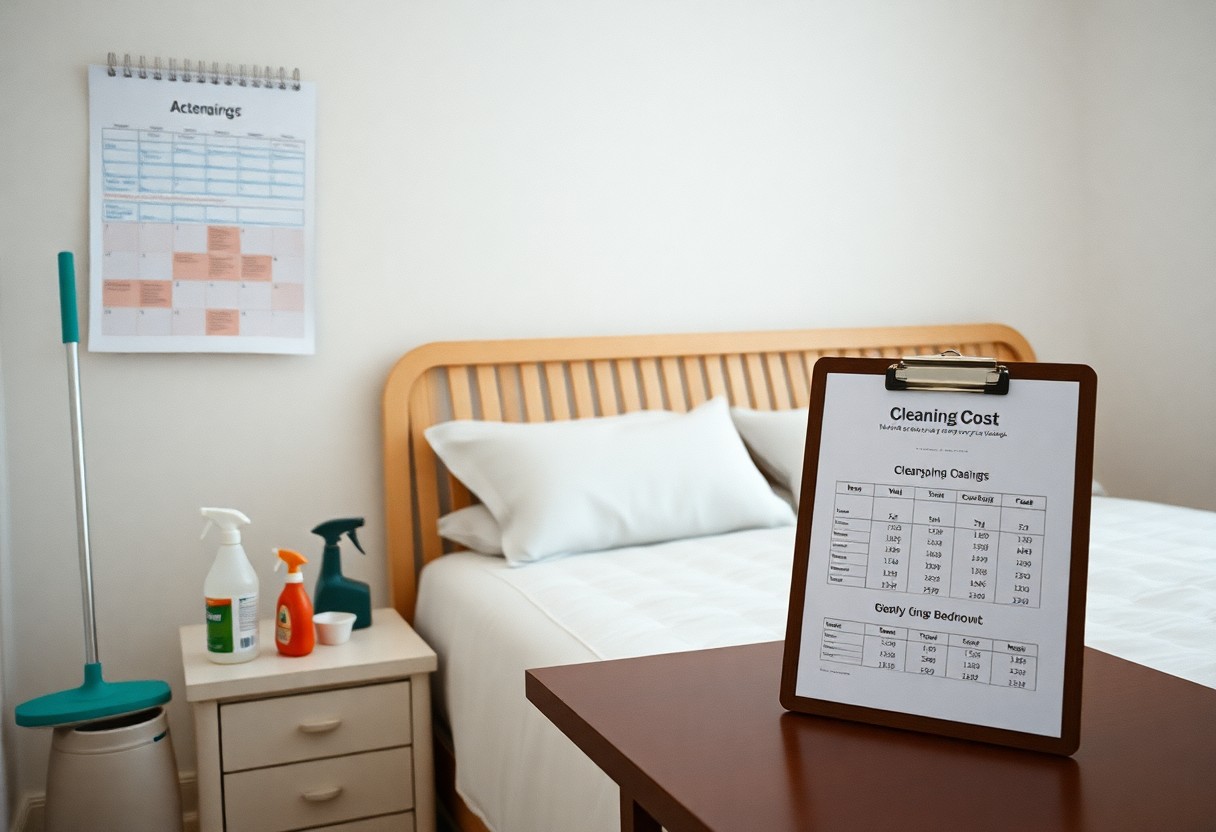
To effectively manage cleaning costs, you should align your cleaning strategies with the changes in seasonal demand. During peak seasons, consider scheduling deeper cleaning sessions between guest stays, as increased turnover may lead to more wear and tear. On the other hand, in the low season, you can adjust your cleaning schedule to reduce expenses, opting for less frequent deep cleans or negotiating lower rates with your cleaning service. By analyzing occupancy trends, you can better predict when to spend more on comprehensive services and when to cut back.
Adapting your cleaning approach to seasonal patterns not only saves you money but also enhances guest experience. A well-timed deep clean before high season can lead to positive reviews and contribute to higher rates of occupancy, effectively offsetting any increased costs incurred. In contrast, during slower months, opting for smaller, more manageable cleaning tasks can help maintain hygiene without excessive spending, allowing you to allocate resources elsewhere.
Leveraging Tools and Resources
Utilizing technology can significantly reduce your cleaning costs. Online platforms like Thumbtack or TaskRabbit allow you to compare cleaning services and find competitive rates. Additionally, you can leverage cleaning management software that helps streamline scheduling and communication with your cleaning crew. This approach not only saves time but can also lead to better cost management over the long term.
Access to these tools provides you with the flexibility to respond swiftly to occupancy changes. For instance, if you see a spike in bookings, you can easily adjust your cleaning schedule to accommodate bookings without overcommitting to expensive contracts. Furthermore, features like guest feedback can inform you about the effectiveness of your cleaning, prompting timely adjustments that keep costs in check while maintaining a high standard of cleanliness.
By incorporating efficient tools and resources into your cleaning strategy, you streamline your operations and cut expenses. Employing software that integrates with your Airbnb management tools can automate tasks like scheduling and communication, ensuring that you stay on top of your cleaning needs without needing to sacrifice quality. Additionally, using inventory management apps can help you track cleaning supplies, preventing unnecessary over-purchasing and waste.
The Role of Cleanliness in Guest Experience
In the competitive landscape of Airbnb rentals, cleanliness is a top priority for guests and can significantly influence their overall experience. A spotless environment not only meets basic expectations but also creates a welcoming atmosphere that encourages positive interactions. Guests consistently rank cleanliness among their primary concerns, with over 90% of travelers indicating it as a critical factor in their decision to book. Poor cleanliness can lead to dissatisfaction and might deter guests from returning or recommending your property to others.
Importance of Cleanliness Ratings
Your Airbnb’s cleanliness rating directly impacts its visibility and attractiveness on the platform. A higher rating can enhance your listing’s ranking, making it more likely to attract potential guests. According to Airbnb data, hosts with cleanliness ratings above 4.5 stars tend to secure bookings at a significantly higher rate than those with lower scores. Additionally, guests are likely to leave favorable reviews when they encounter a well-maintained space, further boosting your listing’s credibility.
Potential Cost of Negative Reviews
Negative reviews related to cleanliness can be financially damaging, potentially leading to decreased booking rates and lower overall revenue. One poor review can spiral, impacting future reservations, as 81% of travelers read reviews before booking. If your property consistently receives low ratings for cleanliness, you might have to lower your prices or offer discounts just to attract guests, severely impacting your bottom line.
Furthermore, the long-term effects of a negative review can be profound. When guests share their experiences online, you risk damaging your reputation beyond just the immediate impact on your bookings. Research shows that properties with multiple negative reviews can lose up to 30% of potential revenue in just one year. The price of neglecting cleanliness isn’t merely the cost of a deep clean; it can alter your entire business trajectory, making it imperative to prioritize this aspect of guest satisfaction.
Conclusion
Drawing together the insights regarding seasonal trends in cleaning costs for Airbnb spaces, you can see that these fluctuations are influenced by various factors such as demand, location, and the timing of guest bookings. As demand peaks in certain seasons, cleaning companies may adjust their pricing strategies to match the increased workload, directly impacting your operational costs. Being aware of these trends can help you budget more effectively and make informed decisions about when to list your property.
By understanding how seasonal patterns affect cleaning rates, you can better strategize your pricing and marketing efforts. This awareness allows you to optimize your revenue potential throughout the year. Adapting your cleaning schedules and considering alternative providers during off-peak times can also lead to more favorable financial outcomes. Ultimately, staying informed will empower you to manage your Airbnb effectively, ensuring that your space remains attractive while keeping costs in check.
FAQ
Q: How do seasonal trends impact the pricing of cleaning services for Airbnb properties?
A: Seasonal trends can significantly influence cleaning service pricing due to varying demand. During peak seasons, when more guests are booking properties, cleaning services may increase their rates to accommodate higher workloads. Conversely, during off-peak times, prices may decrease as the demand for cleaning services declines.
Q: Are there specific seasons that see a larger fluctuation in cleaning costs?
A: Yes, summer and holiday seasons typically see a larger fluctuation in cleaning costs. Increased bookings during these times lead to higher demand for cleaning services, causing prices to rise. In contrast, winter or early spring may see a drop in both bookings and cleaning service rates.
Q: How can Airbnb hosts manage or anticipate cleaning costs throughout the year?
A: Airbnb hosts can manage or anticipate cleaning costs by planning their pricing strategy based on seasonal trends. They can monitor local demand patterns, set competitive prices during peak seasons, and negotiate long-term contracts with cleaning services to lock in lower rates during off-peak times.