There’s a range of obscure fees that can catch landlords off guard when it comes to deep-cleaning charges. As you prepare for tenant turnover, you need to be aware of potential costs such as specialized equipment rentals and eco-friendly cleaning product fees. Additionally, some cleaning services might include unexpected labor surcharges for intricate tasks like carpet restoration or mold remediation. Understanding these hidden charges can help you budget effectively and avoid unpleasant financial surprises.
Key Takeaways:
- Landlords may encounter fees for specialized cleaning services, such as carpet shampooing or mold remediation, which can add to overall deep-cleaning charges.
- Additional costs might arise from the removal of excessive debris or damages beyond normal wear and tear, often requiring professional intervention.
- Transparent communication with cleaning companies about specific services and associated costs is vital to avoid unexpected expenses.
Common Deep-Cleaning Fees
Carpet Cleaning
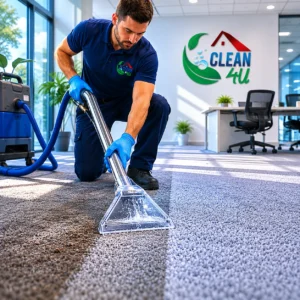
In the context of deep cleaning, you’ll likely encounter carpet cleaning fees that can vary significantly. Professional carpet cleaning can range from $25 to $70 per room, depending on factors such as carpet condition, size, and cleaning method. For heavily soiled carpets, the fee may even exceed $100 per room, especially if you opt for steam cleaning to address stubborn stains or odors. It’s wise to factor these costs into your budget, as tenant habits often leave carpets in need of extensive restoration.
Additionally, many cleaning services charge extra for special treatments, such as stain removal or protective finishes, which can add another $30 to $50 per room. You’ll want to conduct a thorough inspection after a tenant vacates to assess the level of cleaning needed to avoid surprise charges. Familiarizing yourself with these costs can save you financial headaches in the long run.
Appliance Cleaning
Appliance cleaning fees can also creep up on you if you’re not prepared. Deep cleaning of major appliances like ovens, refrigerators, and dishwashers typically costs around $50 to $150 for each unit, depending on the extent of the grime buildup. A greasy oven may require more intensive cleaning solutions and labor, significantly increasing your final bill.
Not only does allowing dirt and grime to accumulate affect appliance performance, but it also creates potential health risks, making it easier for you to justify these costs. Regularly maintaining cleanliness can prevent hefty cleaning fees and prolong the lifespan of your appliances, ultimately benefiting your rental property.

Specialized Deep-Cleaning Charges
Mold Remediation
Mold remediation is not merely a cleaning task; it involves a comprehensive process that can significantly impact your finances. If a tenant has left behind moisture or humidity issues, you might need to hire professionals to assess and remediate mold problems. Costs can range from $500 to $4,000, depending on the extent of the contamination. It’s also critical to address the source of moisture to prevent future issues, which can lead to increased costs if not managed promptly.
Your landlord responsibilities include ensuring a safe living environment, which mold violations can compromise. Professionals typically conduct an evaluation followed by containment, air filtration, and successful removal. Failing to tackle mold issues promptly could also lead to potential health risks for future tenants, elevating your liability.
Pest Control
Pest control is another specialized cleaning service that often catches landlords off guard. An infestation can arise quickly, causing damage to the property and creating an unsanitary living environment. You can expect to budget anywhere from $100 to over $1,000, depending on the type of pest and the severity of the infestation. Common pests, like rodents or bedbugs, may require multiple treatments to ensure complete eradication.
Engaging licensed pest control professionals is important; they offer not only extermination services but also preventative measures. This might include sealing entry points, applying treatments around the perimeter of the property, and following up with ongoing inspections. The cost of neglecting pest issues can escalate quickly, leading to increased damage and larger remediation fees in the long run.
Consider that pest control services can vary widely, requiring thorough documentation of the damage and treatments conducted. Providing transparency in your communication with tenants about pest management policies will set expectations and foster a cooperative relationship, helping to mitigate potential disputes over costs associated with pest problems.
Hidden Costs in Deep-Cleaning
Labor Charges
Labor charges can significantly impact your overall deep-cleaning expenses. Many cleaning services charge between $25 to $75 per hour per cleaner, depending on regional rates and the expertise required. For extensive tasks such as post-tenancy cleanings, you might require a team rather than an individual, leading to expenses that can quickly accumulate. A two-person team working for four hours could total around $200 to $600, depending on their hourly rates and the property’s size.
Factors affecting labor charges include the complexity of the job and the cleaning standards mandated by your lease agreement. For example, if your property has numerous rooms or requires specialized cleaning for areas like kitchens and bathrooms, the labor costs will increase accordingly. Additionally, if the previous tenant left the property in an unsatisfactory condition, expect to incur higher labor costs to restore it to a move-in ready state.
Equipment Rental
When deep-cleaning, you may find that certain equipment is necessary for achieving the best results, especially if you don’t own professional-grade tools. Equipment rental can introduce hidden costs that landlords need to factor in. Items such as carpet cleaners, floor scrubbers, or pressure washers can rent for anywhere between $30 to $100 per day, depending on the item and the rental company. It’s important to assess whether purchasing these tools outright could be more cost-effective in the long run, particularly if you frequently manage properties.
Moreover, some cleaning jobs may require specialized attachments or tools that can incur additional rental fees. For instance, renting a carpet cleaner with a specialized upholstery attachment will increase costs by an additional $10 to $20, affecting your overall budget. Planning for these equipment rental fees is vital to avoid unexpected expenses that could derail your planned deep-cleaning service.
Frequency of Deep-Cleaning Services
End-of-Tenancy Expectations
When tenants move out, you should set clear end-of-tenancy cleaning expectations to avoid disputes over the return of security deposits. Most landlords expect a thorough deep clean, which includes everything from scrubbing floors and carpets to deep-cleaning kitchen appliances and bathrooms. Specify in the lease that the property must be returned in a condition that is at least as clean as it was received. If tenants neglect this responsibility, you may need to hire professional cleaners, often incurring costs upwards of $200 to $500 based on the size and condition of the property.
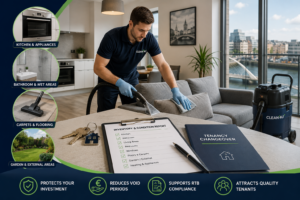
Additionally, consider providing your tenants with a checklist for end-of-tenancy cleaning. This proactive approach can lessen misunderstandings and ensure they focus on the areas that matter most to you, such as mold removal or wall cleaning. Ultimately, this creates a smoother transition for new tenants and minimizes delays in getting your unit back into leasing condition.
Regular Maintenance
Incorporating regular maintenance into your property management strategy not only keeps your place in top shape but also prevents the buildup of dirt, grime, and stains that necessitate deep cleaning more frequently. Aim for a schedule of deep cleans at least twice a year, in addition to spot cleaning as needed. Factor those costs into your operating budget, as they can range from $150 to $300 per session, depending on the services required.
This proactive maintenance can extend the life of your carpets and appliances, ultimately saving you from higher replacement costs down the line. When well-maintained, you’ll find that properties are easier to attract high-quality tenants, and you can justify higher rent prices due to the preserved condition of your spaces.
Tenant Responsibilities
Cleaning Protocols
As a landlord, it’s imperative to outline the cleaning protocols your tenants are expected to follow. This includes engaging with your lease agreement to specify the level of cleanliness required at the end of their tenancy. Many landlords adopt a tiered approach, whereby normal occupancy wear and tear is acceptable, but extensive dirt or damage may incur additional fees. For instance, ensuring that carpets are steam cleaned or that kitchens are free from grease buildup can be critical in avoiding disputes later on.
Fostering an understanding of these protocols not only sets expectations but also encourages tenants to take their responsibilities seriously. Providing a checklist can be beneficial, detailing areas such as bathrooms, kitchen appliances, and living spaces that need attention. By doing so, you can minimize the chances of overlooking specific tasks and facilitate a smoother move-out process.
Deposit Deductions
When considering deposit deductions, be prepared to justify any charges with clear documentation. If a tenant fails to adhere to the cleaning protocols, you can deduct the costs associated with hiring a deep-cleaning service from their security deposit. For example, photographs or a walkthrough inspection checklist can serve as evidence to support your claims. Landlords commonly allocate a portion of the deposit to cover cleaning, typically 10-30% depending on the level of neglect.
Disputes often arise when tenants dispute cleaning-related deductions, underscoring the necessity of clear communication throughout the rental term. Maintaining meticulous records and conducting an initial walkthrough can help set a standard for cleanliness, making deductions more straightforward and justifiable. When tenants understand the cleaning expectations and the potential financial consequences of neglect, they are more likely to uphold their responsibilities.
Legal Considerations
Lease Agreement Clauses
Your lease agreement should explicitly define cleaning responsibilities and any conditions for deep-cleaning charges. Be specific about what constitutes “clean” to avoid ambiguity. Include clauses that detail these responsibilities, such as expectations for floor care, appliance cleanliness, and removal of personal items. If you anticipate needing to cover deep-cleaning fees, clearly state that these will be deducted from the security deposit, along with justification for the charges.
Consider incorporating a clause that allows you to charge for deep-cleaning if the property is left in a condition that exceeds normal wear and tear. This not only protects you financially but also helps manage tenant expectations about their duties upon vacating the property.
State Regulations
Each state has its own regulations governing security deposits and allowable deductions. You will need to familiarize yourself with these laws to ensure compliance. For instance, some states limit the amount you can deduct for cleaning services, while others require you to provide an itemized list of charges within a specified timeframe after the tenant moves out. Understanding these regulations will help you navigate potential disputes and ensure you maintain the right to collect necessary deep-cleaning fees.
Avoid surprise charges by checking your local laws. Many states require landlords to provide written notice of any intended deductions, including the basis for those deductions. The penalties for failing to comply can be significant, including the loss of the right to claim any cleaning costs at all.
State regulations often include specific language around the definition of “normal wear and tear,” which can affect your ability to charge for deep cleaning. Knowing how your state defines these terms will allow you to tailor your lease agreement accordingly, and prevent potential legal issues when the tenant disputes the deductions post-move out.
Summing up
From above, you should be aware that deep-cleaning charges for your rental property can often encompass various obscure fees that may not be immediately obvious. These fees can include specialized cleaning supplies, equipment rentals, and even labor costs that exceed standard cleaning rates due to the nature of the deep cleaning required. Being informed about these potential charges will help you budget accurately and avoid unexpected expenses.
Additionally, it’s crucial to comprehend that costs can vary based on the property’s condition and the cleaning company’s standards. By assessing your property regularly and addressing cleanliness proactively, you can mitigate some of these deep-cleaning expenses. Understanding these hidden charges equips you to negotiate better with service providers and make more informed decisions regarding property upkeep.
FAQ
Q: What types of cleaning services are typically included in deep-cleaning charges?
A: Deep-cleaning charges often include carpet cleaning, window washing, upholstery cleaning, and thorough sanitization of kitchens and bathrooms. Some landlords may also incur fees for exterior pressure washing or appliance cleaning, depending on the service provider.
Q: Are there additional fees for specialized cleaning tasks?
A: Yes, specialized cleaning tasks such as mold remediation, biohazard cleanup, or deep cleaning for pest infestations may incur additional fees. These services usually require trained professionals and specialized equipment, leading to higher costs.
Q: How can landlords ensure they receive a fair estimate for deep-cleaning services?
A: Landlords should obtain multiple quotes from different cleaning companies, requesting itemized estimates that outline each service and associated fee. Additionally, checking reviews and verifying credentials can help ensure the reliability of the cleaning service.