
There’s a pressing need for facility managers to balance cost efficiency with high hygiene standards in office cleaning. You can optimize your cleaning budget by implementing strategic approaches such as embracing technology, utilizing multi-tasking cleaning staff, and incorporating green cleaning products. These practices not only enhance the cleanliness of your workspace but also contribute to a healthier environment for employees. By making informed decisions, you can effectively reduce expenses while maintaining a spotless and sanitary workplace.
Key Takeaways:
- Implement a cleaning schedule that prioritizes high-traffic areas and surfaces to enhance hygiene efficiency.
- Utilize eco-friendly and multi-purpose cleaning products to reduce costs and minimize environmental impact.
- Leverage technology, such as cleaning management software, to track cleaning tasks and resource allocation effectively.
Understanding Office Cleaning Costs
Breakdown of Cleaning Expenses
The cleaning expenses in an office setting can be divided into several key components. First, there are labor costs, which typically account for the largest portion of your budget. Dependable cleaning staff or outsourced services provide you with the expertise needed to maintain a hygienic environment. Next, supplies and materials come into play, covering everything from disinfectants to cleaning tools and equipment. It’s vital to choose quality supplies that maximize cleaning efficiency while adhering to safety standards. Finally, consider overhead costs, which include insurance, training, and administrative expenses associated with managing your cleaning operations.
By understanding the breakdown, you can make informed decisions that enhance cost efficiency without sacrificing cleanliness. For example, investing in modern cleaning equipment might seem costly upfront but can result in significant long-term savings through reduced labor hours and improved cleaning efficacy. It’s about striking a balance between quality and financial responsibility in your cleaning strategy.
Factors Influencing Cleaning Costs
Several factors play a critical role in determining your overall cleaning costs. The size of the office is a primary consideration; larger spaces naturally demand more time and resources for effective cleaning. Additionally, the frequency of cleaning tasks must be assessed. Daily cleaning might be more expensive but can improve hygiene significantly, especially in high-traffic areas. On the other hand, less frequent services may lower immediate costs but could jeopardize the cleanliness of your workspace.
The type of cleaning service you select also influences costs. Specialized services, such as carpet cleaning or window washing, typically come with additional fees compared to general janitorial work. Further, the choice between hiring an in-house team versus contracting an external service can lead to disparate financial implications, necessitating a thorough cost-benefit analysis before making a decision. Thou must carefully weigh these variables to achieve an optimal budget.
- size of the office
- cleaning frequency
- type of service
- in-house vs. outsourced
- specialized services
In addition to the previously mentioned factors, regional variations also impact cleaning costs. For instance, urban areas often face higher labor wages and operational expenses due to the cost of living. Additionally, specific industries may require more stringent cleaning protocols, further influencing your budget. Assessing both local market rates and industry standards is critical for optimal cost management. Thou must remain vigilant in evaluating these factors to ensure a sustainable cleaning budget.
- regional variations
- industry-specific requirements
- market rates
- sustainable budget
- cost management
Importance of Hygiene in the Workplace
In an office environment, hygiene plays a vital role in promoting employee health and well-being. Poor hygiene can lead to the proliferation of germs and pathogens, resulting in increased absenteeism due to illnesses such as colds, flu, and other infectious diseases. For instance, studies indicate that cleaning and disinfecting can reduce the spread of such illnesses by up to 80%. By maintaining high standards of cleanliness, you not only protect your workforce but also ensure that your facility runs smoothly without significant interruptions caused by sickness.
Beyond physical health, hygiene affects the overall atmosphere of your workplace. When employees see that their environment is clean and well-maintained, it fosters a sense of pride and professionalism. In contrast, a dirty office can create an environment that feels neglected, which can, in turn, impact your business’s reputation among both current employees and potential hires.
Health Implications of Poor Hygiene
When hygiene standards are not met, the consequences can extend far beyond mere discomfort. Employees exposed to unclean environments are at a higher risk for a variety of health issues, such as respiratory infections and gastrointestinal illnesses. A report by the CDC highlights that workplace-related illnesses contribute to an estimated $225.8 billion in lost productivity annually in the U.S. alone. It is imperative that you understand that maintaining hygiene is not just about aesthetics; it’s a fundamental health concern that can significantly impact your workforce.
Additionally, the presence of allergens and irritants, often found in poorly cleaned environments, can exacerbate chronic conditions like asthma and allergies. This can lead to decreased quality of life for your employees, resulting in higher healthcare costs and increased absenteeism. You have a responsibility to cultivate a safe work environment by prioritizing hygiene in your office cleaning routines.
Impact on Employee Productivity and Morale
A clean and hygienic workplace directly correlates to heightened employee productivity and morale. When employees are in an environment where cleanliness is prioritized, they are less likely to take sick days and more likely to perform at their best. Research shows that a clean workspace can enhance concentration by up to 15%. You can benefit from this by investing in regular and thorough cleaning schedules that ensure your office remains a healthy space for all employees.
The psychological effect of a clean environment should not be underestimated. Employees thrive in spaces that reflect care and attention to detail. When the workplace feels inviting and hygienic, it fosters positive feelings among staff, leading to increased job satisfaction and lower turnover rates. This also enhances collaboration and creativity, as employees are more willing to engage with each other in a comfortable setting.
Strategies for Optimizing Cleaning Processes
Frequency and Scheduling of Cleaning
Adjusting the frequency and scheduling of cleaning can lead to significant cost savings without sacrificing hygiene. Analyze foot traffic patterns and areas with higher contamination risks, such as kitchens and restrooms, to determine optimal cleaning times. For instance, cleaning common areas during off-peak hours can maximize efficiency while ensuring that your employees are not disturbed. Implementing a regular cleaning schedule that matches the needs of your specific workspace can reduce the number of deep cleans required, cutting costs over time.
You can also explore the concept of zone cleaning, which involves assigning specific areas to cleaning staff. This approach not only improves accountability but also allows your team to focus on maintaining cleanliness in high-priority zones, minimizing the overall time spent on less critical areas. By being adaptable to your office’s unique needs and seasonal changes, you can optimize cleaning schedules to achieve maximum effectiveness.
Use of Technology and Automation
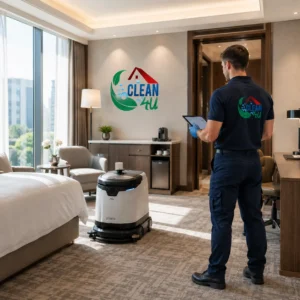
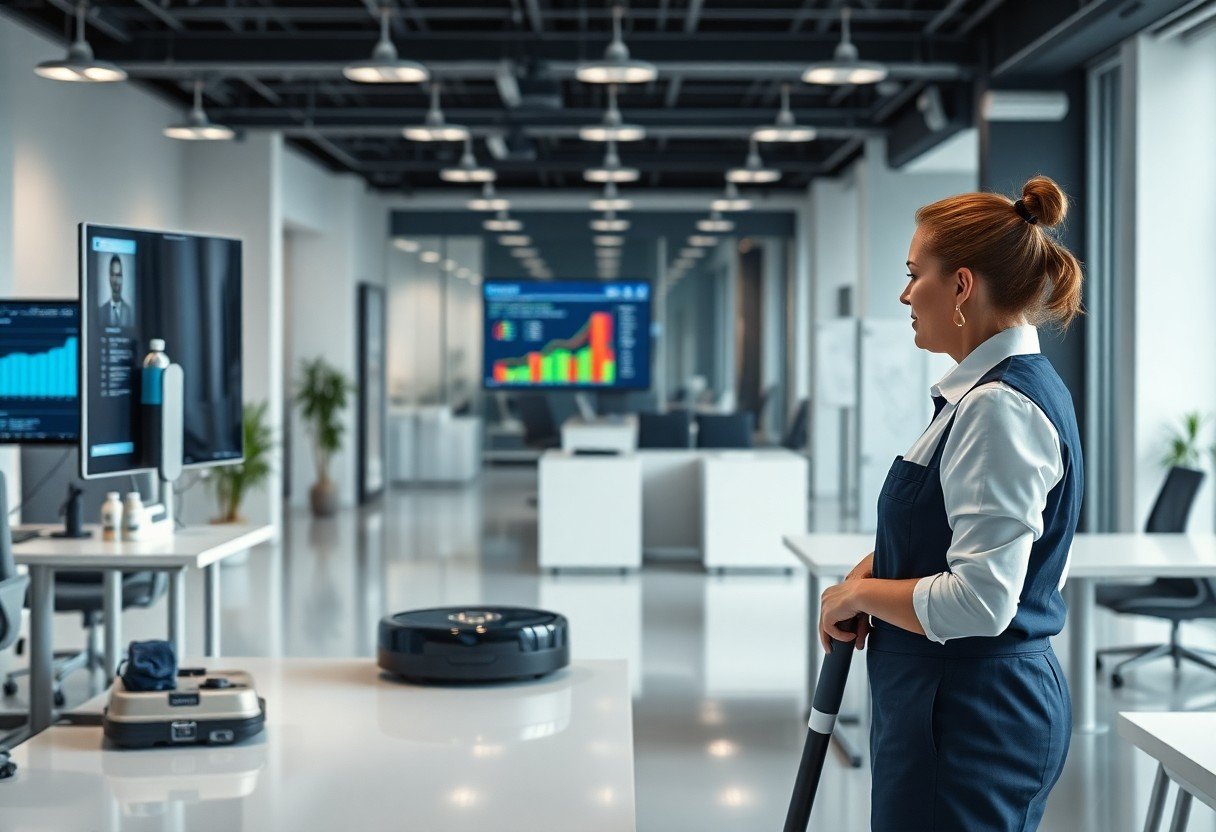
Incorporating technology and automation into your cleaning processes can lead to enhanced efficiency and reduced costs. For example, implementing sensor-based cleaning systems enables your facility to use resources only when necessary, minimizing waste. Smart scheduling software can streamline your cleaning staff’s workflows, ensuring that they effectively target areas based on real-time data, thus improving productivity. Furthermore, use of robotic vacuum cleaners can save significant labor hours while maintaining a consistent level of cleanliness.
Consider the use of maintenance management software to track cleaning schedules and costs. This allows you to analyze which areas require more attention and adjust your cleaning processes accordingly. With such technology, you not only enhance the cleaning quality but also provide detailed insights into cleaning operations, enabling better resource allocation and task prioritization.
Choosing the Right Cleaning Products
Cost-Effectiveness vs. Efficacy
When dicking out cleaning products, you must prioritize both cost-effectiveness and efficacy. Low-priced options may seem tempting, but they often fall short in performance. For instance, a study by the Cleaning Industry Research Institute revealed that ineffective cleaners can lead to higher overall costs due to increased labor time and the need for repeated applications. Therefore, investing in products that effectively eliminate germs and dirt will save you time and money in the long run.
Your cleaning budget should account for the total cost of ownership, which includes not just the purchase price but also usage rates and labor efficiencies. For example, a higher-priced disinfectant that offers a one-step solution can reduce the time spent cleaning surfaces, ultimately lowering labor costs. Assessing the return on investment for these products is vital to ensuring your office remains clean and hygienic without overstretching your budget.
Eco-Friendly Alternatives
As sustainability becomes increasingly important in workplace operations, you should consider eco-friendly cleaning products that not only protect the environment but also support employee wellbeing. Many traditional cleaning agents contain harsh chemicals that can lead to health issues, while eco-friendly alternatives use biodegradable ingredients that are less harmful. For instance, products certified by Green Seal or EcoLogo prove their safety and efficacy in maintaining cleanliness without compromising health.
Additionally, research indicates that eco-friendly products can be just as effective in eliminating pathogens and dirt as conventional cleaners. An independent study published by the Journal of Environmental Health reported that offices using green cleaning products had lower levels of airborne pollutants and bacterial contamination. Therefore, not only are you promoting a healthier workspace by choosing eco-friendly options, but you are also ensuring compliance with growing regulatory standards that favor sustainable practices.
Implementing eco-friendly alternatives signals to your staff and clients that sustainability is a priority for your organization. You can enhance your company’s image by choosing products from reputable manufacturers that invest in sustainable practices, such as using recyclable packaging or replenishable ingredients. This not only helps the environment but also positions your office as a forward-thinking entity focused on overall health and sustainability.
Training and Retaining Cleaning Staff
Importance of Training Programs
You must implement comprehensive training programs for your cleaning staff to enhance both efficiency and effectiveness. Well-trained employees are more likely to use the correct cleaning methods and products, which can significantly reduce waste and operational costs. For instance, studies show that organizations that invest in training can reduce cleaning costs by up to 25% while simultaneously improving cleanliness and hygiene.
Your training should cover not only techniques and tools but also the science behind effective cleaning. Knowledge about various surfaces and the best practices for each can enable your staff to tailor their approach, ensuring that every area meets hygiene standards without unnecessary resource expenditure. This targeted training can elevate the overall cleaning quality and employee satisfaction, leading to lower turnover.
Creating a Positive Work Environment
Establishing a positive work environment is vital for retaining your cleaning staff. When employees feel valued and supported, they are more likely to show dedication to their roles, ultimately enhancing efficiency. Incorporating feedback mechanisms allows workers to voice their opinions, fostering a culture of collaboration. Engagement in decision-making can boost morale and reduce turnover rates.
Recognizing achievements prevents burnout, while flexible scheduling caters to individual needs. For example, a facility manager who implements an employee recognition program can see a 30% increase in job satisfaction, further contributing to team stability. In such an environment, staff members become invested in the organization’s overall cleanliness and hygiene standards, resulting in sustained high-quality service.
Measuring and Monitoring Cleaning Standards
Establishing Cleaning Protocols
You need to define clear cleaning protocols that reflect the specific requirements of your facility. Establishing standardized checklists for various areas—like restrooms, break rooms, and high-traffic zones—ensures that no task is overlooked. These protocols should outline frequency, cleaning products to be used, and any special attention areas based on usage patterns. For instance, during flu season, you may want to increase the frequency of disinfecting surfaces to maintain a higher standard of hygiene.
Utilizing a combination of qualitative and quantitative measures is crucial for ensuring adherence to these protocols. You might consider implementing a scoring system for cleaning activities, whereby cleaners receive points based on completed tasks. This data will help you assess cleaning effectiveness, identify areas needing improvement, and facilitate strategic discussions with staff.
Feedback and Continuous Improvement
Regular feedback mechanisms are integral to refining your cleaning operations. This involves establishing a structured process for employees and building occupants to report cleanliness issues. Using platforms like surveys or an app specifically for providing feedback allows you to quickly gather insights about cleaning effectiveness and identify recurring problems. For example, if multiple staff members report that a common area is not adequately maintained, you can promptly address the issue.
Incorporating feedback into your cleaning strategy fosters a culture of improvement and accountability among your cleaning staff. Conducting routine audits based on feedback and reports, alongside performance reviews, can help you identify training needs or the necessity for protocol adjustments. This dynamic approach enables you to constantly elevate cleaning standards while optimizing operational costs.
Continuous improvement is not a one-time effort but a sustained commitment. Consider holding regular meetings with your cleaning staff to discuss common feedback themes and brainstorm solutions. This collaborative environment encourages staff ownership over cleaning quality, thus enhancing performance and cost-effectiveness.
Conclusion
Conclusively, you can optimize office cleaning costs without compromising hygiene by implementing a strategic approach that combines efficient resource management and modern cleaning technologies. Assess your current cleaning schedule and identify high-traffic areas that require more frequent attention. By adjusting cleaning frequencies based on usage patterns, you can allocate your budget effectively while maintaining necessary cleanliness standards. Consider investing in automated cleaning solutions that streamline processes and reduce labor costs, ensuring a consistent application of hygiene measures throughout your facility.
Additionally, fostering open communication with your cleaning staff and engaging them in feedback loops can help identify areas for improvement. Training your team on the best practices in cleaning and sanitation will empower them to make informed decisions, ultimately leading to cost savings and enhanced hygiene. By adopting environmentally friendly cleaning products and methods, you also contribute to a healthier workspace while potentially reducing costs in the long run. Your ability to balance these elements will greatly enhance the operational efficiency of your facility management efforts.
FAQ
Q: What are the most effective strategies for reducing office cleaning costs?
A: To reduce cleaning costs, facility managers can implement a cleaning schedule that prioritizes high-traffic areas, use technology like automated cleaning equipment, and engage in bulk purchasing of cleaning supplies to take advantage of discounts. Regular staff training can also ensure efficient cleaning practices that save time and resources.
Q: How can facility managers ensure the quality of hygiene while cutting costs?
A: To maintain hygiene quality, managers can focus on using high-quality, eco-friendly cleaning products that require less product for effective cleaning. Additionally, establishing clear cleaning protocols and conducting regular audits can help maintain cleanliness and hygiene standards without increasing costs.
Q: What role does employee feedback play in optimizing cleaning efforts?
A: Employee feedback is valuable for identifying specific areas that require more attention. Conducting regular surveys or meetings can help facility managers adjust cleaning frequencies and methods based on employee observations, ensuring that hygiene is maintained while optimizing cleaning resource allocation.