Running a GP surgery in Dublin means holding yourself to a clinical standard that goes far beyond ordinary office hygiene. Patients arrive unwell, vulnerable, and trusting that your environment is safe. A structured GP practice cleaning schedule is not just good housekeeping, it is a core part of your infection prevention and control (IPC) obligations under HIQA and HSE guidelines.
This guide breaks down exactly what needs cleaning, how often, and why, so your practice stays HIQA-ready every day of the year.
HIQA’s National Standards for Infection Prevention and Control in Community Services require GP practices to maintain documented cleaning programmes with clear frequency guidelines. Without a written schedule, your practice has no audit trail, and that is exactly what inspectors look for.
The HSE AMRIC IPC Guide for General Practice further specifies that all clinical zones must be assigned a functional risk category (FR1 to FR6), which determines how often each area is cleaned and what products are used. A colour-coded cleaning system must be in place to prevent cross-contamination between high-risk and low-risk zones.
Daily cleaning in a GP surgery targets high-touch surfaces and clinical areas that carry the highest risk of pathogen transmission. These tasks should be completed before patients arrive and repeated throughout the day as needed.
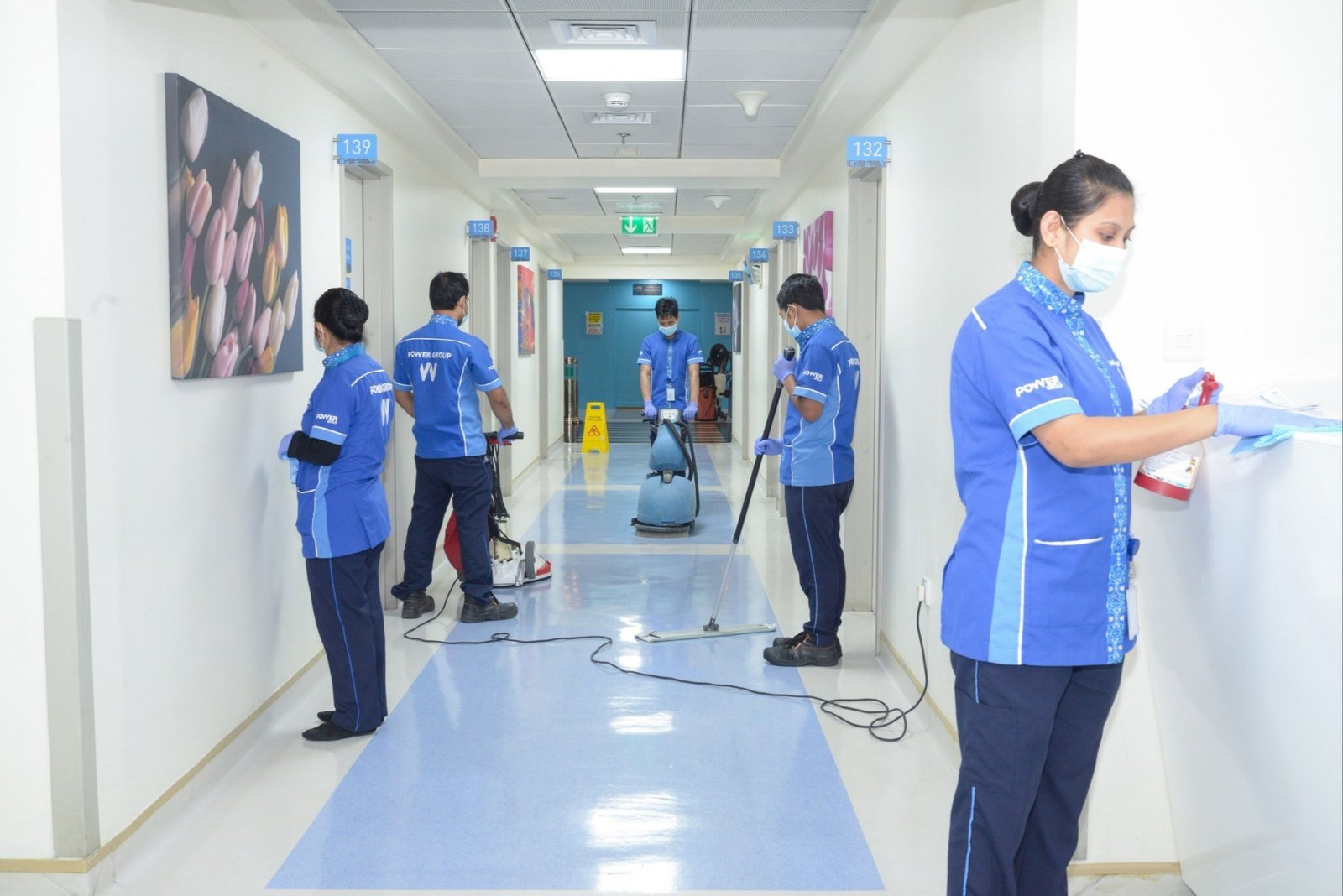
Examination couches must be disinfected after every patient using hospital-grade disinfectant wipes. Paper roll should be replaced. Work surfaces, medical equipment trolleys, door handles, and light switches all require disinfection with colour-coded cloths. Clinical waste bins need their liners changed daily.
All patient seating should be wiped down with disinfectant. The reception counter, card reader, pens, and check-in screens are high-touch surfaces that require daily disinfection. Floors in the waiting room should be mopped with a hospital-grade solution at the end of each clinical session.
Patient toilets should be cleaned and replenished at least twice daily. The sluice or utility room must be kept clean, with used mop heads removed, waste segregated properly, and all cleaning materials stored according to IPC standards.
Weekly tasks go deeper than the daily routine. Consultation room desks, keyboards, telephones, and computer screens should receive a full disinfectant wipe-down. Patient toilet grout, cisterns, and less accessible surfaces need a thorough scrub. Waiting room ledges, window sills, and notice boards should be dusted and cleaned. All PPE supplies and cleaning equipment should be inspected and restocked.
A monthly deep clean covers the entire practice, including areas not touched in daily routines. This includes full decontamination of clinical rooms, cleaning of wall surfaces, vents, and light fittings, and a complete review of the sluice room. Curtains in consultation rooms should be laundered or replaced.
Critically, the practice manager or designated infection control lead should review and sign off the cleaning audit log each month. Proper documentation of cleaning records is essential for HIQA inspection readiness. Trusted providers like clean4u offer scheduled deep clean programmes designed specifically for primary care environments in Dublin.
| Zone | Daily | Weekly | Monthly |
|---|---|---|---|
| Waiting Room | High-touch disinfection, floor mop | Full wipe-down, chairs, ledges | Deep clean, walls, vents |
| Consultation Room | Couch, surfaces, floor | Desk, keyboard, all tech | Curtains, full deep clean |
| Nurse Treatment Room | Clinical-grade disinfect all surfaces | Equipment, fridge exterior | Full decontamination review |
| Reception Desk | Counter, phone, screen, pens | Drawers, under desk | Full audit and deep clean |
| Patient Toilets | Disinfect all surfaces, replenish | Grout, cistern, deep scrub | Limescale treat, full clean |
| Sluice / Utility Room | Mop heads, bins, surfaces | Shelving, waste segregation check | Full inventory and deep clean |
| Cleaning Task | Frequency | Area |
|---|---|---|
| Disinfect examination couch after each patient | Daily | All clinical rooms |
| Wipe door handles with colour-coded disinfectant cloth | Daily | All zones |
| Clean and replenish patient toilets | Daily (x2) | Patient toilets |
| Disinfect reception counter and card reader | Daily | Reception |
| Replace paper roll on examination couch | Daily | Consultation/Nurse room |
| Mop all clinical floors with hospital-grade disinfectant | Daily | All rooms |
| Sanitise waiting room seating | Daily | Waiting room |
| Clean sluice sink, bins, and waste area | Daily | Sluice room |
| Deep wipe desk, keyboard, phone, computer screen | Weekly | Consultation rooms |
| Full scrub of patient toilet grout and cistern | Weekly | Toilets |
| Clean and inspect all PPE and cleaning equipment | Weekly | Utility room |
| Deep clean and decontamination of all clinical zones | Monthly | Entire practice |
| Review and sign off cleaning audit log for HIQA | Monthly | Practice manager |
| Replace disposable mop heads and restock supplies | Monthly | Sluice room |
A robust GP practice cleaning schedule is one of the most practical tools a practice manager has for protecting patients, supporting staff safety, and demonstrating compliance. Cleaning and disinfecting are not the same thing, and a structure that accounts for both, applied consistently across all functional risk zones, is what separates a compliant practice from one that is vulnerable at inspection.
Whether you manage this in-house or work with a specialist provider, the key is consistency, documentation, and using the right hospital-grade products for each clinical zone.