Dublin's cosmetic clinic sector has grown rapidly. Alongside that growth comes a responsibility often overlooked: the standard of hygiene must be medical-grade.
Botox, dermal fillers, laser skin treatments, and microneedling are now everyday services across the city. Treating these environments as standard office or retail spaces creates real risk for clients, staff, and the business itself.
A cosmetic clinic carries out procedures that directly contact a client's skin, often breaking its surface. Dermal fillers, laser resurfacing, chemical peels, waxing, and micro-needling all involve skin penetration or close skin contact. This creates a cross-contamination risk that simply does not exist in a standard commercial space.
The National Standards Authority of Ireland has published I.S EN 17226, Ireland's first European Standard for Beauty Salon Services. It is the framework Irish clinics are now expected to align with.
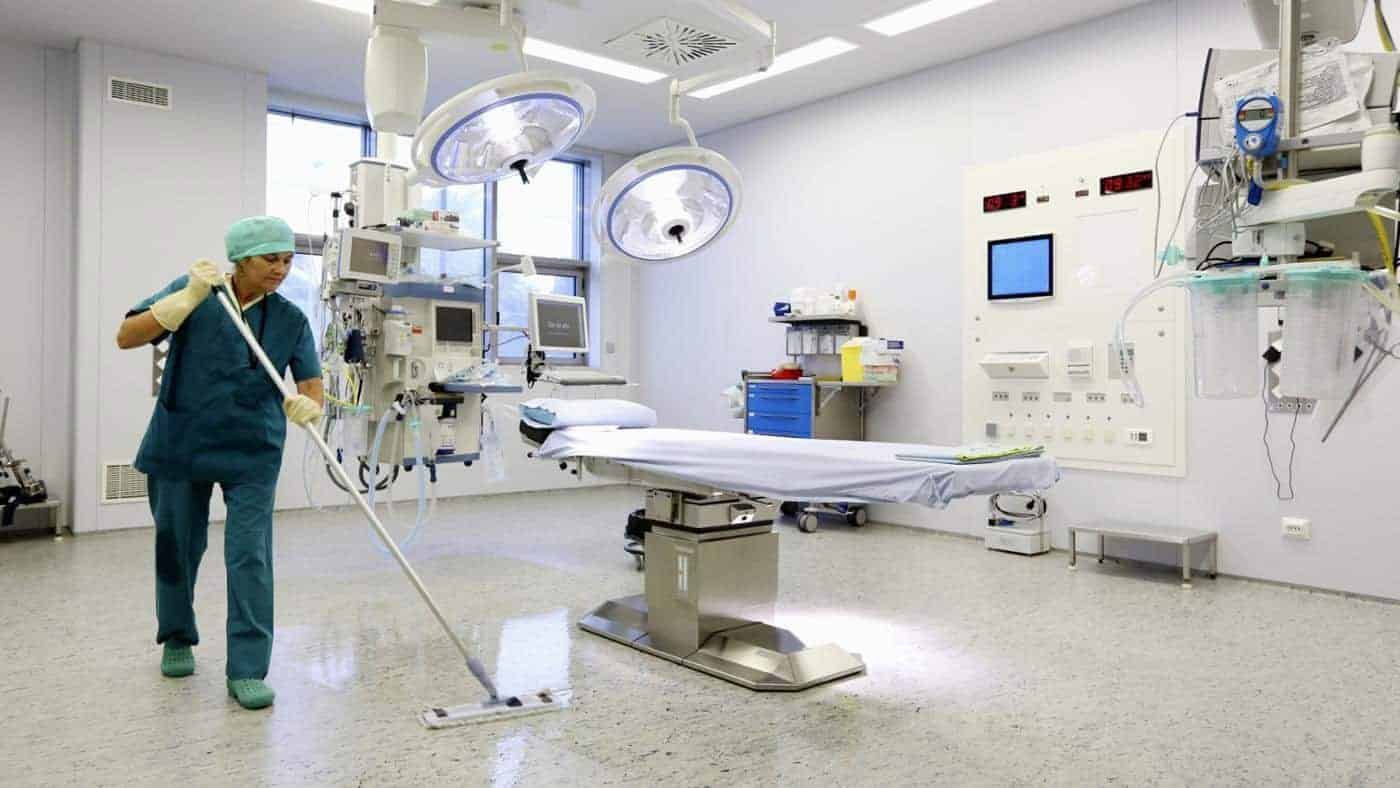
A regular commercial clean—wiping surfaces, mopping floors, emptying bins—does not meet this standard. Medical-grade cleaning Dublin clinics require uses hospital-grade disinfectants with documented contact times and colour-coded equipment to prevent cross-contamination between zones.
Poor hygiene in a cosmetic setting can spread bacterial and fungal infections between clients. Staphylococcal infections, Pseudomonas, and fungal conditions can all transfer through inadequately cleaned treatment surfaces.
Ireland's Health Products Regulatory Authority oversees cosmetic product safety, and expectations align with the hygiene requirements set out by HIQA's national infection prevention and control standards, which now cover community health settings including clinics.
A single complaint can damage Google reviews and reputation. The cost of inadequate cleaning is significantly higher than the cost of doing it properly.
Cleaning is structured around three critical zones, each with unique requirements:
Surfaces must be disinfected between clients using hospital-grade, EN-certified disinfectant. This involves strict dwell times to ensure pathogens are eliminated.
High-touch surfaces (card machines, counters, door handles) require disinfection at regular intervals during the day, not just at the end of it.
Non-disposable equipment used in or near treatments must be cleaned and disinfected after every use. A professional medical cleaning Dublin service understands the distinction between disinfection and sterilisation.
Most general services use standard-strength products and shared equipment. In a clinic, this can transfer contamination rather than eliminate it.
Clean 4 U's medical cleaning Dublin team uses colour-coded equipment and documented protocols suitable for clinical environments. Our teams are briefed on the specific requirements of cosmetic and aesthetic practices.